What Are the Downsides of Getting Your Prostate Removed?

The two main downsides are erectile dysfunction and urinary incontinence. Between 25 and 75 percent of men experience erectile dysfunction one year after this surgery. During the same period, between 0 and 11 percent suffer from persistent urinary incontinence.
Why does this happen? The prostate sits right next to the nerves that control erections and the sphincter muscles that control urine flow. Robotic-assisted surgery can lower some risks by reducing blood loss and shortening hospital stays. But no surgical method completely removes these risks. The space is just too tight.
If problems last longer than a year, additional treatments are available. Pelvic floor therapy, medication, vacuum pumps, or surgical implants can all help [3, 8]. Need professional support? The Prostate Therapy Network Australia has resources.
Is it a big deal to have your prostate removed?
Yes. Radical prostatectomy is major surgery to treat localized prostate cancer. The goal is to remove the cancer before it spreads. The prostate is about the size of a walnut and wraps around the urethra, the tube carrying urine from your bladder. Removing it means the surgeon cuts the urethra, then sews your bladder back to what's left. Your whole urinary system gets replumbed.
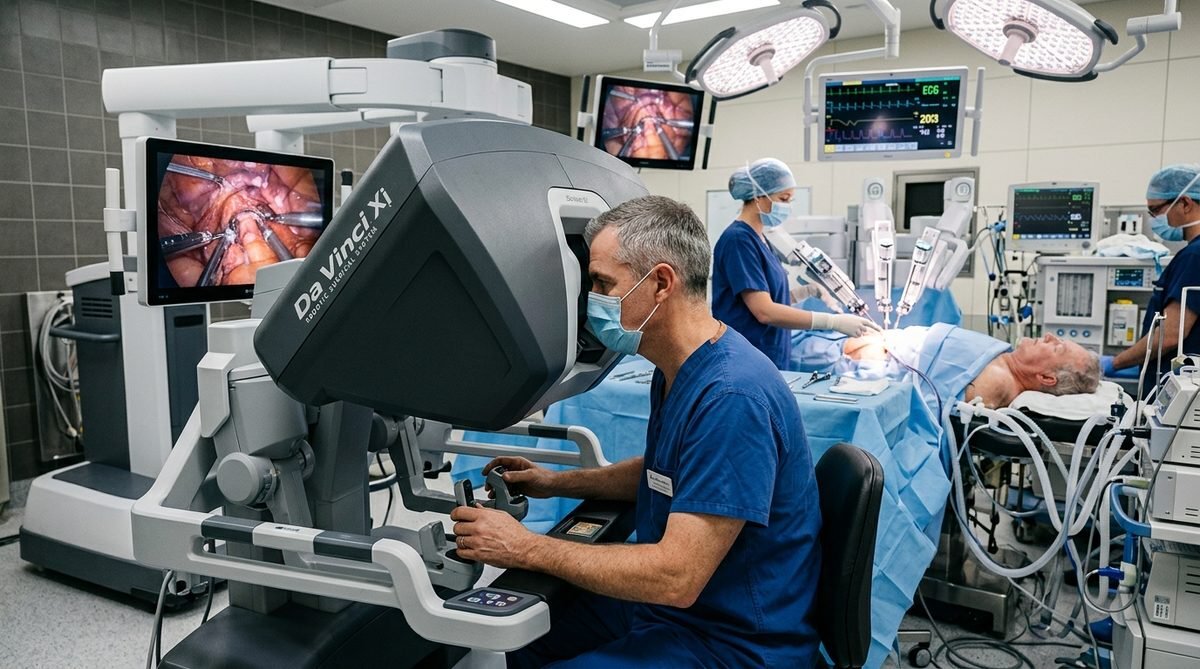
Robotic-assisted surgery has become standard at many clinics. It helps surgeons see tissue more clearly. A study of prospective trials showed robotic surgery cuts blood loss by an average of 516 milliliters compared to traditional open surgery. Hospital stays shorten by about a day and a half.
Even with these benefits, the operation needs general anesthesia, weeks of recovery, and a temporary urinary catheter. It's a major physical event. major surgery
Many patients expect to bounce back fast. I remember one client, David, who thought he'd be back running his business in a week. It didn't work that way. He was exhausted for a month. His body was healing the internal wound where his bladder reattached to his urethra. You have to give your body time. Rushing back to activity can cause long-term recovery problems. Setting realistic expectations before surgery prevents post-surgery frustration.
What are the dangers of having your prostate removed?
Dangers include immediate surgical complications and long-term functional damage. Immediate risks apply to any major surgery: deep vein thrombosis, wound infections, severe bleeding, or bladder leaks. The surgeon works in a very tight pelvic space.
Long-term dangers come from pelvic anatomy. The urethral sphincter is the muscle keeping urine from leaking. Anatomical studies show that up to 40 percent of this sphincter is covered by a bundle of blood vessels called the dorsal vascular complex. When surgeons cut these vessels to remove the prostate, it's easy to damage the sphincter underneath. This damage causes urine leakage when you laugh, cough, or lift things.
Another major danger is damage to the cavernous nerves. These microscopic fibers signal the penis to fill with blood. They run directly along the prostate's outer surface. Even skilled surgeons can stretch or tear them while peeling them away from the tumor. This can cause permanent erectile dysfunction. Sometimes the tumor has grown into the nerves. Then the surgeon must cut them away to remove all the cancer. This results in permanent erectile dysfunction unless you get surgical implants later.
What is life like for a man without a prostate?
Life changes your daily routines, sex life, emotional health, and work habits. For the first few weeks after surgery, you wear a urinary catheter. This tube drains urine into a bag strapped to your leg. You empty it several times a day and keep the insertion site clean to prevent infections.
Once the catheter comes out, most men leak. I spoke with one patient, Arthur, who said the leaking made him feel like he'd lost control of his life. He wore absorbent pads every day. He avoided restaurants and golf because he worried about leaking through his pants. This emotional burden is common. Research shows post-surgery incontinence and erectile issues significantly increase anxiety and lower your daily activity levels.
Your sex life will also change. You won't ejaculate during orgasm because the prostate and seminal vesicles are gone. This is called a dry orgasm. The orgasm sensation still exists, but there's no fluid. If you have nerve damage, you won't get natural erections. You'll need aids like vacuum pumps, pills, injections, or penile implants. Many men find their sexual relationship requires more communication and planning than before.
How do nerve-sparing techniques affect your recovery?
Nerve-sparing prostatectomy carefully separates the erection nerves from the prostate. Whether you can have this depends on your tumor's location and size. If it's too close to the edge, the surgeon must remove the nerves to ensure all cancer is gone. Your preoperative erectile function status also helps determine if you're a good candidate.
If the surgeon preserves nerves on both sides, recovery improves. A study of 431 patients showed men with bilateral nerve preservation had significantly better erectile function scores at two and three months compared to those without. They also experienced less urine leakage. Preserving nerves on both sides offers the best chance of normal erectile function.
If only one side is saved, recovery takes longer and is often less complete. One of my patients, Greg, faced this choice. His tumor sat very close to the right-side nerves. His surgeon said saving them might leave cancer behind. Greg chose to have the surgeon cut the right-side nerves but save the left-side nerves. This is unilateral nerve-sparing surgery. Greg experienced erectile dysfunction after the operation. But because we started his rehab program immediately, he achieved erections using low-dose pills and a vacuum pump within six months. If he'd waited a year to start rehab, his penile tissue would have suffered from lack of oxygen and scarred, making recovery much harder.
What is the life expectancy after prostate removal?
Life expectancy is generally very high. For men with localized prostate cancer, the 10-year survival rate after surgery is over 90 percent. The operation successfully cures the cancer before it spreads to bones or other organs. For most men, prostate cancer won't be the cause of death after the gland is removed.
But weigh this high survival rate against your quality of life. Studies show the surgery successfully cures cancer, yet functional side effects can persist for years. Most men don't die of prostate cancer after this operation. They live a normal lifespan but manage daily challenges of incontinence or erectile dysfunction. The decision balances eliminating cancer with preserving physical functions.
When comparing studies, the definition of recovery gets confusing. A review of 131,350 patients across 268 studies found researchers use different criteria to define erectile recovery. Some call it success with pills, others only with natural erections. Look closely at the success rates your specific surgeon achieves rather than general statistics.
What are the treatments for long-term complications?
If side effects don't improve after one year, several effective options exist. You don't have to accept leaking or impotence as permanent. Modern urology offers excellent solutions for both.
For urinary incontinence, treatment depends on how much you leak. Small to moderate leaking can be treated with a male sling implant. This device supports the urethra and keeps it closed during physical activity. The AdVance XP male sling has a cure rate between 63 and 83 percent at five years.
I worked with a client named Mark who was leaking three pads of urine a day after fourteen months. He felt completely defeated. We discussed the AdVance XP male sling. Mark chose to get it. Within two weeks, his leaking stopped completely. He went from three pads a day to zero. The sling surgery is minor compared to prostatectomy. It's usually an outpatient procedure with fast recovery.
If the sling isn't enough, the artificial urinary sphincter is the gold standard. This device uses an inflatable cuff, control pump, fluid reservoir, and medical-grade tubing. The cuff wraps around your urethra to keep it closed. The pump sits in your scrotum. When you need to urinate, you squeeze the pump. This pushes fluid out of the cuff into the reservoir, allowing urine to flow. After a few minutes, the fluid automatically flows back to close the urethra. It sounds complex, but my patients find it very easy to use once they heal.
For erectile dysfunction, treatment is progressive. First, try oral medications like sildenafil or tadalafil. These help if the nerves are partially intact. Second, use vacuum erection devices to draw blood into the penis. Third, if these don't work, try alprostadil injections. You inject this medication directly into the side of the penis. Fourth, choose a penile prosthesis. This surgical implant uses inflatable cylinders inside the penis. Pump it up when you want an erection and deflate it when you're finished. It has one of the highest satisfaction rates among all erectile dysfunction treatments.
Frequently Asked Questions
Will I still be able to have children after my prostate is removed?
No. Removing the prostate and seminal vesicles means you won't produce semen. If you want children in the future, store your sperm in a cryobank before surgery. IVF can then use this stored sperm.
Does pelvic floor physical therapy really help?
Yes. pelvic floor physical therapy, also called Kegels, are highly effective. Doing them regularly strengthens muscles around the urethra. This helps compensate for the damaged sphincter. Start these exercises several weeks before surgery to build muscle memory. Continuing after surgery accelerates bladder control recovery.
How long after surgery can I return to work?
Most men return to light office work within two to three weeks. If your job involves heavy lifting, driving, or physical labor, wait six weeks. Lifting too soon can disrupt healing of your bladder and urethra. Always get surgeon clearance before returning to physical labor.
Will my penis look different after the surgery?
Some men notice slight shortening after prostatectomy. This happens because the surgeon removes a section of urethra and pulls the bladder down to meet the remaining tube. Early penile rehabilitation using vacuum devices or medication can help minimize this by maintaining tissue health.
How to minimize the downsides of prostate removal
Before scheduling surgery, take control of your recovery plan. Don't wait until after the operation to think about side effects. Taking action early makes a significant difference in your long-term quality of life.
First, select a surgeon who performs high volumes of these operations. Second, start pelvic floor physical therapy immediately. Third, establish a clear penile rehabilitation plan. Fourth, set up a post-surgery support system with your family.
- Find a surgeon who performs at least fifty robotic prostatectomies per year to reduce nerve damage risk.
- Ask your surgeon if you're a candidate for bilateral nerve-sparing surgery based on your biopsy results.
- Schedule an appointment with a pelvic floor physical therapist at least four weeks before your surgery date.
- Discuss an early penile rehabilitation plan with your urologist to start immediately after your catheter is removed.
Sources
- Wang J, Hu K, Wang Y, Wu Y, Bao E, Wang J, et al. (2023) "Robot-assisted versus open radical prostatectomy: a systematic review and meta-analysis of prospective studies" Journal of robotic surgery. PMID: 37721644
- Walz J, Epstein JI, Ganzer R, Graefen M, Guazzoni G, Kaouk J, et al. (2016) "A Critical Analysis of the Current Knowledge of Surgical Anatomy of the Prostate Related to Optimisation of Cancer Control and Preservation of Continence and Erection in Candidates for Radical Prostatectomy: An Update" European urology. PMID: 26850969
- Redondo C, Castroviejo F, Bedate M, Calvo R, Sierrasesumaga N, D'angelo G, et al. (2026) "(348) Correction of Incontinence and Erectile Dysfunction After Radical Prostatectomy" The Journal of Sexual Medicine. DOI: 10.1093/jsxmed/qdag118.318
- Bragin-Maltsev A, Kyzlasov P, Perepechay V, Pavlov V, Kazikhinurov R, Volokitin E, et al. (2025) "Urinary incontinence and erectile dysfunction are significant adverse outcomes associated with radical prostatectomy in contemporary clinical practice" Urology Herald. DOI: 10.21886/2308-6424-2025-13-3-91-106
- Tsui OWK, Shing KCH, Lam APM, Ng SL, Chun S, Tsang CF, et al. (2025) "Effects of nerve sparing on erectile dysfunction and urinary incontinence in robot-assisted radical prostatectomy" Hong Kong medical journal = Xianggang yi xue za zhi. PMID: 40490411
- Moretti TBC, Magna LA, Reis LO (2024) "Erectile dysfunction criteria of 131,350 patients after open, laparoscopic, and robotic radical prostatectomy" Andrology. PMID: 38506238
- Alivizatos G, Skolarikos A (2005) "Incontinence and erectile dysfunction following radical prostatectomy: a review" TheScientificWorldJournal. PMID: 16170437
- Schout B, Meuleman EJ (2012) "[Erectile dysfunction and incontinence after prostatectomy. Treating the complications of surgery for prostate cancer]" Nederlands tijdschrift voor geneeskunde. PMID: 23114170
Explore related health and wellbeing guides
This article is part of PTNA's consumer health and wellbeing library. Browse the Health & Wellbeing Resources hub to find related guides by topic, including Australian health cover, Medicare, prostate health, mental health, disability support and life insurance.
How Much Does It Cost to Have Your Prostate Removed Privately in Melbourne?
Read article →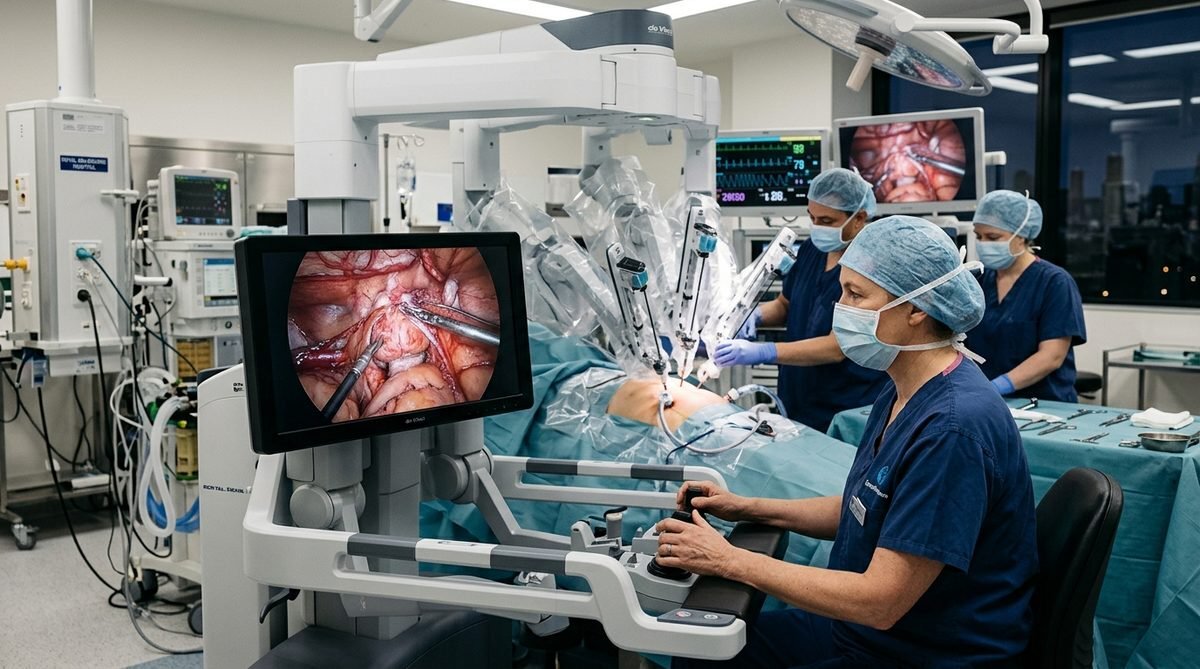
Is It Worth Having Your Prostate Removed in Melbourne?
Read article →
Can You Get Anything Free if You Have Cancer in Melbourne?
Read article →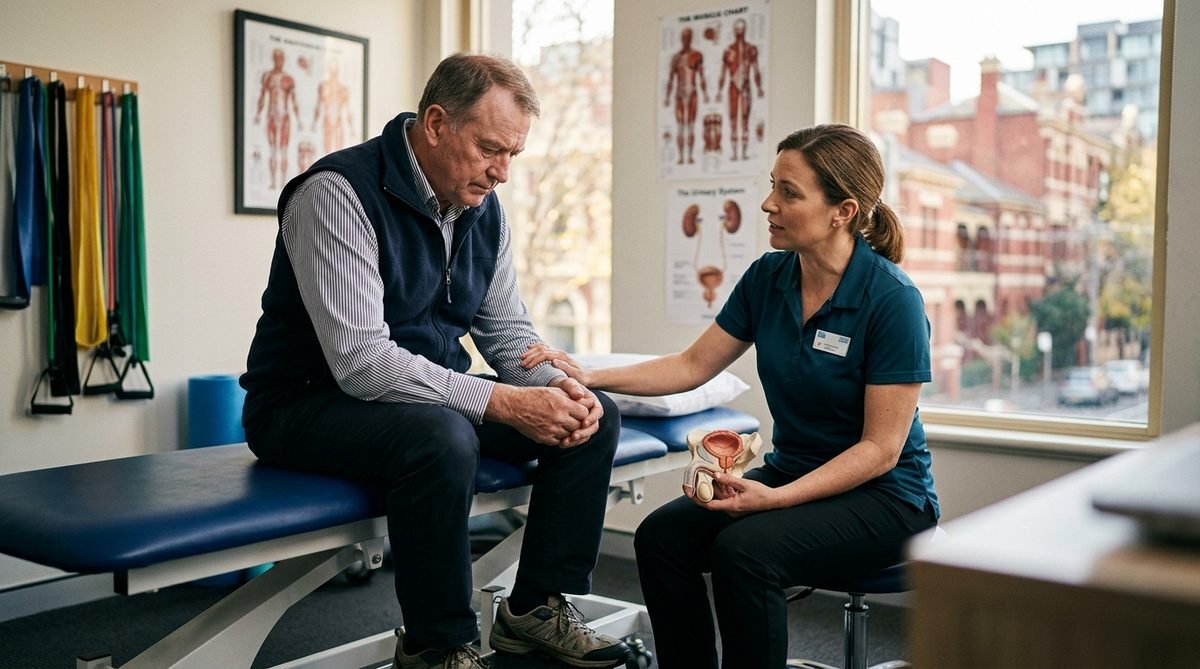
What Are the Negatives of Removing Your Prostate in Melbourne?
Read article →
Is Prostate Cancer Classed as a Disability in Melbourne?
Read article →