Does Having Your Prostate Removed Stop You From Ejaculating?

Yes. Radical prostatectomy, the surgical removal of the prostate, does eliminate ejaculation as typically experienced. However, the full picture of how this affects your sexual function, pleasure, and recovery is considerably more complex than a simple yes or no answer suggests.
prostate anatomy and encircles the urethra, producing much of the fluid that comprises semen. During a radical prostatectomy, the entire prostate and seminal vesicles are removed. Without these structures, no fluid is available to ejaculate. After surgery, men experience what is called a dry orgasm, the neurological sensation of climax occurs, but no fluid is expelled.
Many men are surprised to learn that orgasm and ejaculation are not the same thing. Ejaculation is the physical release of fluid; orgasm is a neurological event. While these typically occur together, removing the prostate interrupts one without necessarily eliminating the other.
What Actually Changes After Prostate Removal
Beyond dry orgasms, men typically experience erectile dysfunction following prostatectomy. The nerves controlling erections run directly adjacent to the prostate and are nearly always affected, even during nerve-sparing procedures. Erectile function may return over months or years for some men, while others require ongoing medical intervention.
Short-term and sometimes long-term urinary incontinence is also common. The sphincter controlling urine flow is closely connected to the prostate, and surgery disrupts this relationship. pelvic floor rehabilitation is among the most effective tools for regaining control, yet men are often not informed about this early enough.
Surgery also ends fertility. Without ejaculate, sperm cannot be delivered during intercourse. Men hoping to have children after prostatectomy should explore sperm banking before surgery, as direct sperm retrieval from the testicles remains possible.
Does Viagra Work If You Have No Prostate?
This frequently asked post-surgery question has a straightforward answer: yes, Viagra and similar medications remain effective after prostatectomy. These drugs work by increasing blood flow to the penis, a mechanism independent of prostate presence. However, they tend to work better and more quickly in men who had nerve-sparing surgery and once some nerve recovery has begun.
Many urologists recommend starting low-dose daily phosphodiesterase-5 inhibitors shortly after surgery, not necessarily to produce immediate erections but to maintain blood flow to penile tissue during recovery, an approach called penile rehabilitation. Evidence supporting this strategy has grown significantly. Whether this approach suits any individual depends on their specific surgery, overall health, and goals.
What a Man Can Expect Life to Look Like Without a Prostate
Life after prostatectomy requires adjustment, but it is not an ending. Most men undergo this surgery for prostate cancer, and the alternative to adjustment is far more serious. The goal is to remove cancer before metastasis, and for many men, surgery achieves this completely. Most men undergo this surgery due to warning signs of prostate problems detected early.
Sexual recovery timelines vary considerably. Some men regain erectile function within six to twelve months; others require two years or longer. A smaller percentage finds that function does not return to pre-surgery levels without ongoing medical support. Age, fitness, pre-surgery erectile function, and surgeon skill all influence outcomes.
Orgasm quality, a topic men rarely discuss but frequently consider, changes for many. Most men report that dry orgasms feel different and sometimes less intense initially. Over time, many adapt and find satisfaction without ejaculation. The brain adapts, as do expectations. Couples who communicate openly and maintain physical intimacy during recovery typically report better outcomes.
The psychological dimension matters significantly. Changes to sexual identity and masculinity can be profound and real, not a weakness but a normal response to substantial physical change. Professional support through counselling, men's health physiotherapy, or sexual health clinics can meaningfully assist recovery.
What You Cannot Do After Prostate Removal, and for How Long
Immediately post-surgery, physical activity is severely restricted. Heavy lifting, strenuous exercise, and sexual activity are prohibited during healing. Most surgeons clear men for light walking quickly, though full physical activity typically resumes after four to six weeks.
Driving restrictions typically apply for the first few weeks, particularly following open surgery rather than robotic-assisted laparoscopic procedures. Open prostatectomy recovery is longer and more physically demanding.
Work resumption depends on your occupation. Desk work may be possible within weeks; physical labour may require six weeks or more. Catheter removal usually occurs within one to two weeks, after which managing the transition to urinary continence becomes the immediate priority.
Avoid alcohol, smoking, and anything impairing circulation during recovery, given circulation's critical role in erectile recovery. Lifestyle choices genuinely affect outcomes during this period.
Is Ejaculating Every Day Good for the Prostate?
This question often arises regarding general prostate health and merits clear discussion. Observational evidence, including data from a large Harvard study, suggests that more frequent ejaculation correlates with lower prostate cancer risk. The proposed mechanism is that regular ejaculation may flush potentially harmful substances accumulating in prostate fluid.
However, this applies to prevention, not treatment. Once the prostate is removed, this question becomes moot. The conversation shifts to post-surgical recovery and what supports nerve healing and penile health, an entirely different matter.
For men retaining their prostate and wondering about frequency for protection, evidence is sufficiently promising to discuss with a urologist, though it should be understood as one factor among many rather than a guaranteed preventive strategy.
Other Procedures That Affect Ejaculation
Radical prostatectomy is not the only prostate procedure affecting ejaculation. A transurethral resection of the prostate (TURP), used to treat benign prostatic hyperplasia rather than cancer, removes only partial prostate tissue. However, it commonly causes retrograde ejaculation, semen travelling backwards into the bladder rather than out through the urethra during orgasm.
Retrograde ejaculation differs from the dry orgasm caused by prostatectomy. With retrograde ejaculation, fluid still exists but travels the wrong direction. Orgasm occurs, and men often describe sensation as normal or near-normal. Urine may appear cloudy afterward from semen mixing in. Though not dangerous, it affects fertility.
Understanding these procedural differences and their distinct effects matters, as men sometimes conflate them when researching expectations.
Getting Support After Surgery
Men who recover best seek help early and remain engaged with rehabilitation. Pelvic floor physiotherapy is underutilised in post-prostatectomy recovery despite substantial evidence for its effectiveness in managing incontinence and supporting overall recovery.
men's health services offer vacuum erection devices, penile injection therapy, and other options for men whose erectile function has not adequately returned through medication alone. These are legitimate tools, not last resorts, that many men use successfully during nerve recovery.
If you are in Australia navigating post-prostate surgery recovery, connecting with a specialist service understanding comprehensive male pelvic health is worth doing promptly. Earlier rehabilitation initiation typically yields better outcomes across all domains.
The Bottom Line
Prostate removal does stop conventional ejaculation, you will not produce or expel semen during orgasm. However, orgasm itself remains possible for most men, and a satisfying post-prostatectomy sex life is a realistic goal with proper support and sufficient time.
Erectile function, urinary continence, and sexual confidence can all be rebuilt, though timelines differ for each man and the process requires patience, accurate information, and access to specialists in this specific recovery. Surgery addresses the cancer; what follows is where rehabilitation proves essential.
Explore related health and wellbeing guides
This article is part of PTNA's consumer health and wellbeing library. Browse the Health & Wellbeing Resources hub to find related guides by topic, including Australian health cover, Medicare, prostate health, mental health, disability support and life insurance.
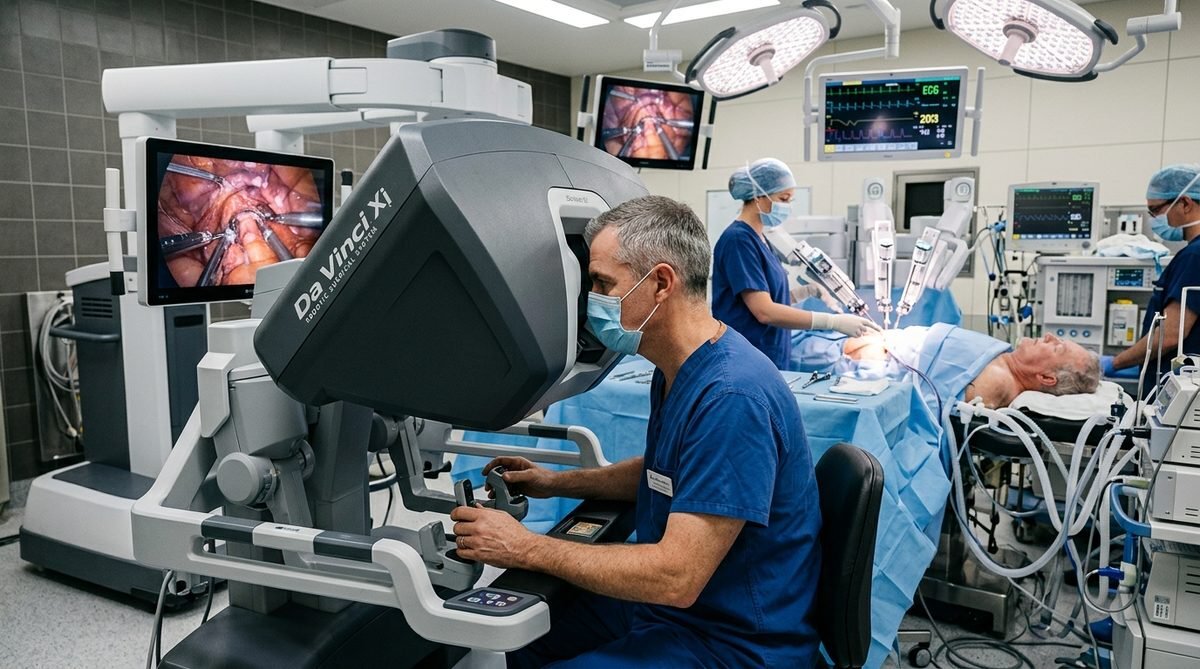
How Much Does It Cost to Have Your Prostate Removed Privately in Melbourne?
Read article →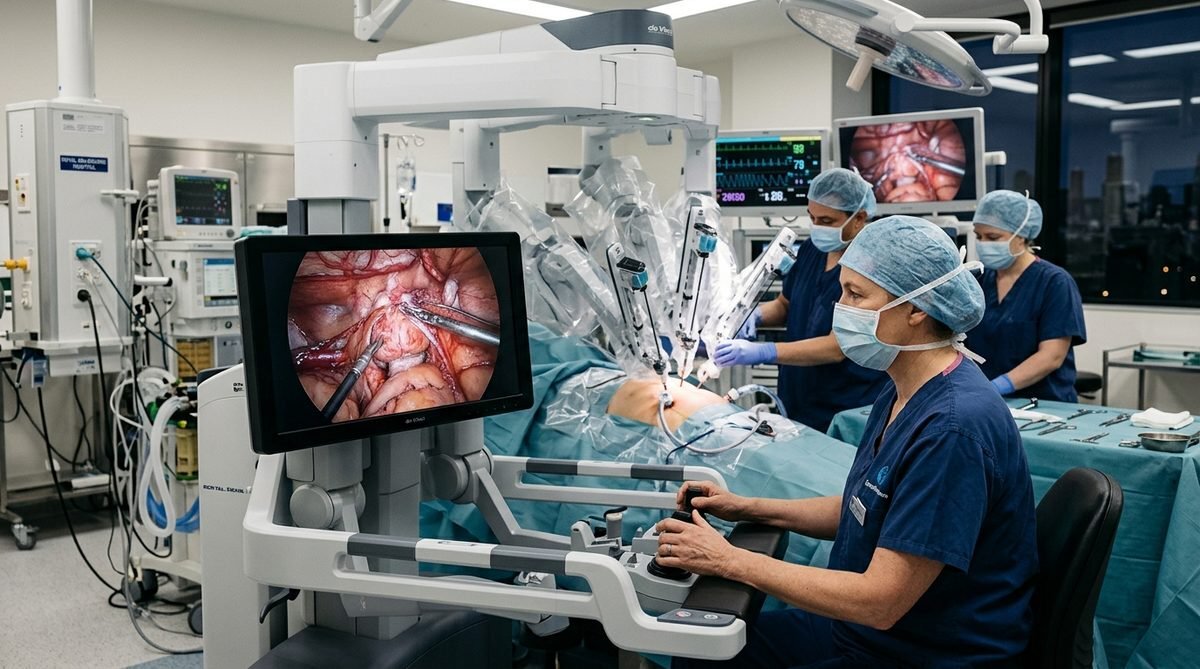
Is It Worth Having Your Prostate Removed in Melbourne?
Read article →
Can You Get Anything Free if You Have Cancer in Melbourne?
Read article →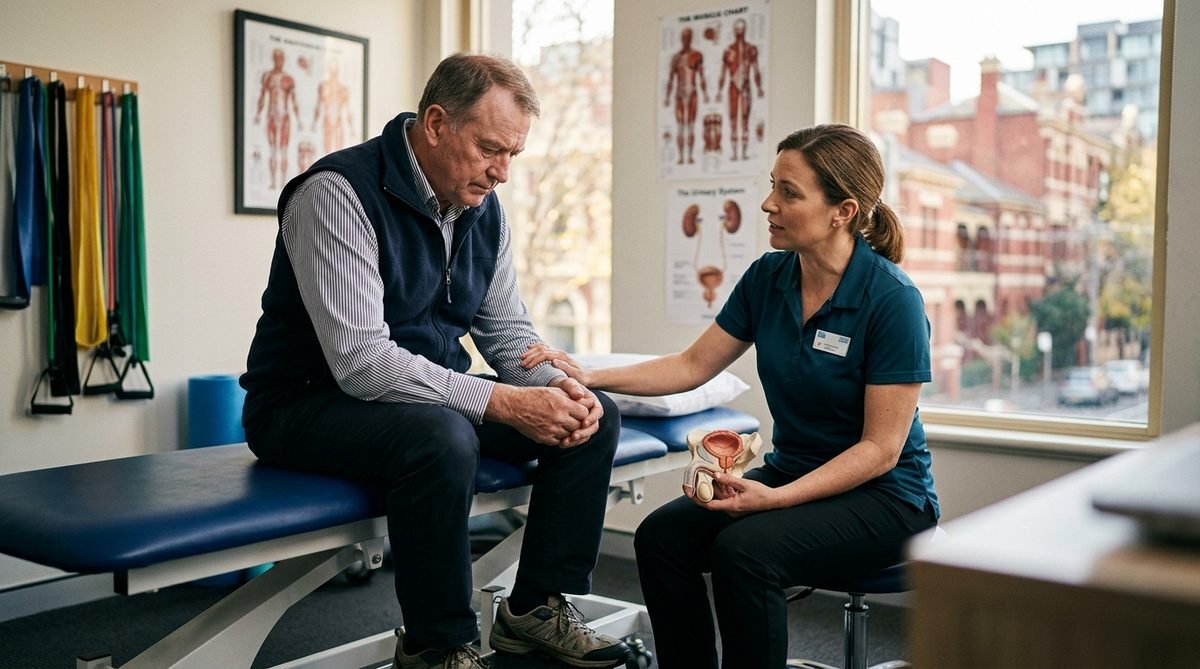
What Are the Negatives of Removing Your Prostate in Melbourne?
Read article →
Is Prostate Cancer Classed as a Disability in Melbourne?
Read article →