Does Bupa Cover Surgeries? What You Actually Get and What You Don't
Bupa covers a wide range of surgeries, but the exact procedures covered depend on your level of hospital cover, whether the hospital is in Bupa's network, and whether your surgeon participates in a gap cover scheme. Getting this wrong can cost you thousands.
Here's what you need to know before you book anything.
Does Bupa Cover Operations?
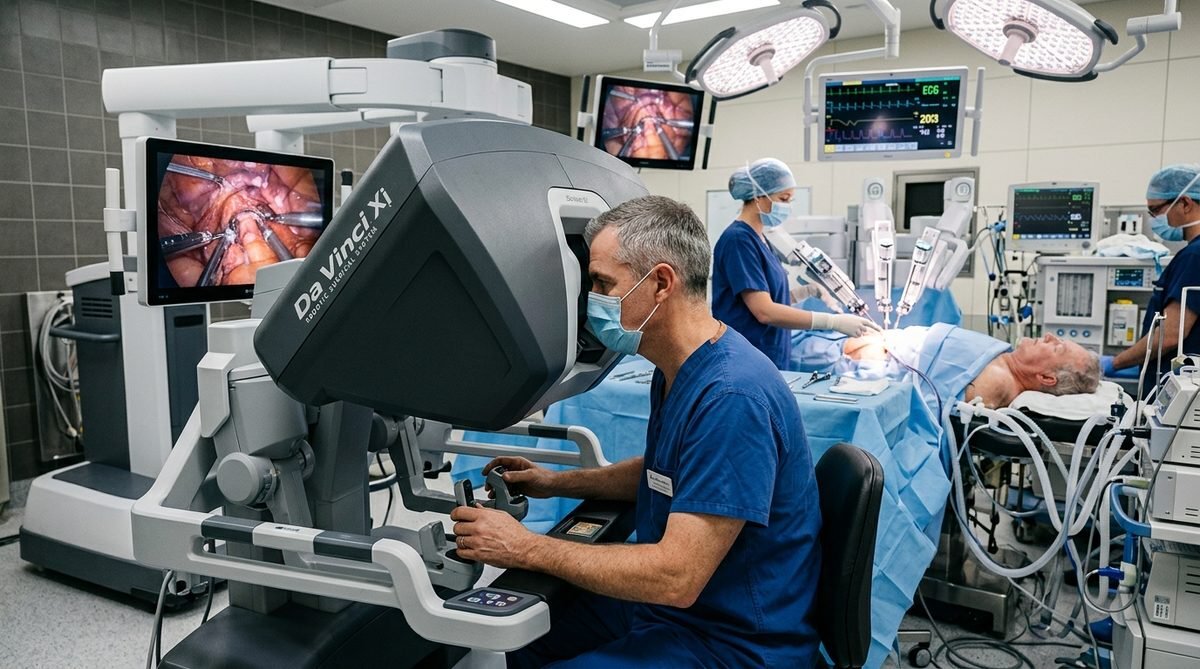
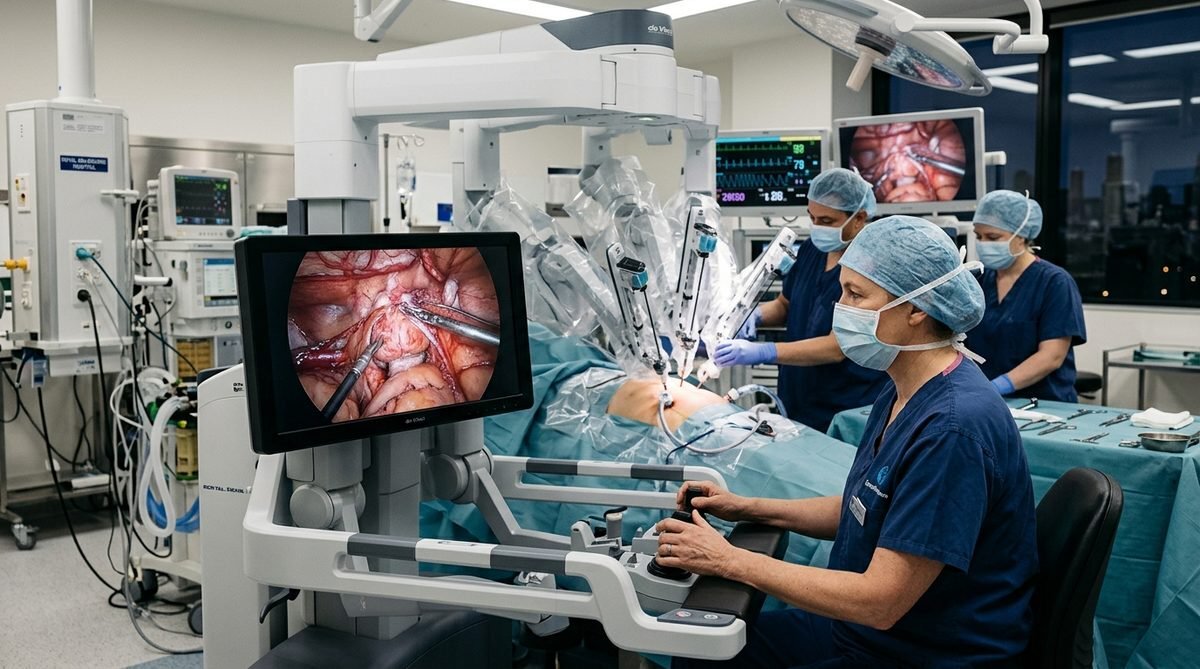
Yes, Bupa covers operations as part of its hospital insurance products. When you hold an eligible hospital policy, Bupa pays benefits toward the cost of surgery performed in a private hospital or as a private patient in a public hospital. This includes the surgeon's fee, anaesthetist fee, theatre costs, and accommodation, though the amount covered varies significantly depending on your policy tier and the specific procedure.
Bupa's hospital cover is divided into tiers: Basic, Bronze, Silver, and Gold. Each tier covers a different set of clinical categories. A Gold policy covers everything from cardiac surgery to joint replacements. A Basic policy covers very little beyond accidents and psychiatric care. If your surgery falls outside the clinical categories your policy covers, Bupa will not pay benefits for it, regardless of how medically necessary it is.
In my experience reviewing these policies, the biggest mistake people make is assuming their hospital cover automatically includes the surgery their doctor recommends. It often doesn't, especially on mid-tier policies.
What Surgeries Does Bupa Cover?
Bupa organises its hospital cover around clinical categories rather than individual procedures. If your policy includes the relevant category, the surgeries within it are generally covered. Here are the main surgical categories and what they include.
Cardiac and vascular surgery is included on Silver Plus and Gold policies. This covers coronary artery bypass grafts, valve replacements, and procedures to treat peripheral vascular disease. It is excluded from Basic and Bronze tiers.
Joint replacements, including hip and knee replacements, are covered under Gold policies. Some Silver Plus policies include them too, but you need to check the specific product. This is one of the most common reasons people upgrade their cover.
Gynaecological surgery, including hysterectomy and procedures for endometriosis, is covered from Bronze Plus upward on most Bupa products. Obstetrics, meaning pregnancy and birth-related surgery like caesarean sections, requires a specific obstetrics inclusion and a 12-month waiting period.
Gastrointestinal surgery, such as appendectomy, gallbladder removal, and bowel resections, is generally covered from Bronze upward. Colonoscopies and gastroscopies performed in hospital are also included in most mid-tier and above policies.
Eye surgery, including cataract removal, is covered on most Silver and Gold policies. Laser eye surgery like LASIK is typically excluded because it is classified as elective cosmetic surgery rather than medically necessary treatment.
Spinal surgery is covered on Gold and some Silver Plus policies. Given the cost of spinal procedures, this is worth confirming explicitly before you rely on it.
Cancer-related surgery, including tumour removal and mastectomy, is covered across most Bupa hospital policies from Bronze upward, though the specific inclusions vary. Chemotherapy and radiation therapy administered in hospital are also generally covered.
What Is Not Covered by Bupa?
There are several categories of surgery Bupa will not cover, and some of them catch people off guard.
Cosmetic surgery is excluded across all Bupa hospital policies unless there is a documented medical necessity. Rhinoplasty, breast augmentation, liposuction, and facelifts are not covered. Reconstructive surgery following an accident or mastectomy may be covered, but purely aesthetic procedures are not.
Weight loss surgery, including gastric sleeve and gastric bypass, is excluded from Basic and Bronze policies. It is only covered on Gold tier policies, and even then, a 12-month waiting period applies if you are a new member or upgrading.
Dental surgery performed in a hospital setting is a grey area. Some procedures, like jaw surgery or removal of impacted wisdom teeth under general anaesthetic, may be covered under oral and maxillofacial surgery inclusions on higher-tier policies. Routine dental extractions are not covered under hospital policies at all, though they may be partially covered under extras cover.
Experimental or investigational procedures are not covered. If a surgery has not been approved by the Therapeutic Goods Administration or is not listed on the Medicare Benefits Schedule, Bupa will not pay benefits for it.
Pre-existing conditions are subject to waiting periods. If you had symptoms of a condition before joining Bupa or upgrading your cover, a 12-month waiting period applies before Bupa will pay benefits for surgery related to that condition. For psychiatric conditions, the waiting period is also 12 months. For obstetrics, it is 12 months. For most other conditions, it is two months, though pre-existing conditions can extend this to 12 months.
Out-of-hospital procedures are not covered under hospital insurance. If your surgeon performs a procedure in their rooms rather than in a licensed hospital or day surgery facility, your hospital policy does not apply. This is more common than people realise for minor procedures.
How to Check If a Procedure Is Covered by Bupa
The most reliable way to check is to call Bupa directly before you book surgery. Give them the Medicare Benefits Schedule item number for the procedure, which your surgeon or GP can provide. Bupa can tell you whether that item number is covered under your policy and what your out-of-pocket costs are likely to be.
You can also log into your Bupa member account online and use the cover checker tool. This lets you search by procedure type and see whether it falls within your policy's clinical categories. What it won't tell you is the exact gap amount, because that depends on which hospital and which surgeon you use.
The hospital matters because Bupa has agreements with certain hospitals called Members First providers. If you use a Members First hospital, Bupa covers the full accommodation and theatre costs with no gap. If you use a non-agreement hospital, you may face significant out-of-pocket costs even if the procedure itself is covered.
The surgeon matters because of the Medicare gap. Medicare pays 75 percent of the Medicare Benefits Schedule fee for private hospital procedures. Bupa pays the remaining 25 percent if the surgeon participates in Bupa's gap cover scheme. If your surgeon charges above the schedule fee and does not participate in gap cover, you pay the difference out of pocket. This can range from a few hundred dollars to several thousand depending on the surgeon and procedure.
What I found when looking into this is that most people focus on whether the procedure is covered and forget to ask about the gap. The procedure being covered does not mean you pay nothing. It means Bupa contributes. The gap is what you need to pin down.
Does Bupa Cover Day Surgery?
Yes, Bupa covers procedures performed in licensed day surgery facilities under the same rules that apply to overnight hospital admissions. The procedure must fall within your policy's covered clinical categories, the facility must be a recognised hospital or day surgery, and the same gap cover rules apply to the surgeon's fee.
Day surgery is increasingly common for procedures like arthroscopies, laparoscopies, cataract surgery, and colonoscopies. If your policy covers the relevant clinical category, you are covered for these whether they are performed as a day procedure or an overnight stay.
Waiting Periods for Surgery
Waiting periods are one of the most misunderstood parts of private health insurance. Even if your policy covers a surgery, you cannot claim benefits until the relevant waiting period has passed.
For most surgical procedures, the standard waiting period is two months from when you joined or upgraded your cover. For pre-existing conditions, it is 12 months. For obstetrics, it is 12 months. For psychiatric care, rehabilitation, and palliative care, it is also 12 months.
If you are switching from another insurer and you had equivalent or higher cover with your previous fund, Bupa must recognise the waiting periods you have already served. This is a legal requirement under Australian private health insurance rules. Keep your certificate of cover from your previous insurer when you switch.
Emergency surgery is treated differently. If you are admitted to hospital as an emergency, Bupa will cover the admission regardless of waiting periods, as long as your policy includes the relevant clinical category. The two-month waiting period does not apply to emergency admissions.
How Much Will You Actually Pay Out of Pocket?
This is the question that matters most, and the honest answer is that it varies. Here is a rough framework for thinking about it.
If you use a Bupa Members First hospital and a surgeon who participates in Bupa's gap cover scheme, your out-of-pocket costs for the surgery itself can be zero or very low. The hospital charges are covered in full, and the surgeon's fee is covered up to the schedule fee with no gap.
If you use a non-agreement hospital, you will likely pay a daily excess or co-payment for accommodation, and theatre costs may not be fully covered. The gap can run into hundreds or thousands of dollars depending on the procedure and the length of stay.
If your surgeon does not participate in gap cover, you pay the difference between what they charge and what Medicare plus Bupa pays. A surgeon charging twice the schedule fee on a procedure where the schedule fee is $2,000 could leave you with a $1,000 gap or more.
Your policy excess also applies. If you have a $750 excess on your policy, you pay that amount once per calendar year for hospital admissions. Choosing a higher excess lowers your premium but increases your upfront cost when you do need surgery.
Does Bupa Cover Surgeries Performed Overseas?
No. Bupa Australian health insurance covers treatment in Australia only. If you have surgery overseas, your Australian hospital policy does not apply. Separate travel insurance with medical cover is required for overseas procedures.
Some people travel overseas for elective surgery to reduce costs. Bupa will not contribute to those costs, and if complications arise after you return to Australia, coverage for follow-up treatment depends on whether the condition is classified as pre-existing and whether your policy covers the relevant clinical category.
Frequently Asked Questions
Does Bupa cover surgery for weight loss?
Weight loss surgery including gastric sleeve and gastric bypass is only covered on Bupa Gold hospital policies. It is excluded from Basic, Bronze, and most Silver policies. A 12-month waiting period applies.
Does Bupa cover knee replacement surgery?
Knee replacement is covered under Gold policies and some Silver Plus policies that include joint replacement as a clinical category. It is not covered on Basic or standard Bronze policies.
Does Bupa cover surgery for cancer?
Most cancer-related surgeries are covered from Bronze upward, including tumour removal and mastectomy. Chemotherapy and radiation administered in hospital are also generally covered. Check your specific policy for the exact inclusions.
Will Bupa cover surgery if I just joined?
Most surgical procedures have a two-month waiting period from the date you join. Pre-existing conditions have a 12-month waiting period. Emergency surgery is covered immediately regardless of waiting periods, as long as your policy includes the relevant clinical category.
How do I find out my out-of-pocket costs before surgery?
Ask your surgeon for the Medicare item number for the procedure, then call Bupa with that number. Ask specifically whether the item is covered, which hospitals are Members First for that procedure, and whether your surgeon participates in Bupa's gap cover scheme. Get the answers in writing if you can.
Does Bupa cover the anaesthetist for surgery?
Bupa covers the anaesthetist's fee up to the Medicare Benefits Schedule amount plus the 25 percent top-up. If the anaesthetist charges above the schedule fee and does not participate in gap cover, you pay the difference. Always ask your surgeon who the anaesthetist will be and whether they participate in gap cover.
One Thing to Do Before Your Surgery
Call Bupa, give them the Medicare item number for your procedure, confirm the hospital is a Members First provider, and ask whether your surgeon participates in gap cover. Those three checks will tell you almost everything you need to know about what you will actually pay. If you want help understanding your cover or navigating the private health system, the team at PTNA can walk you through your options.