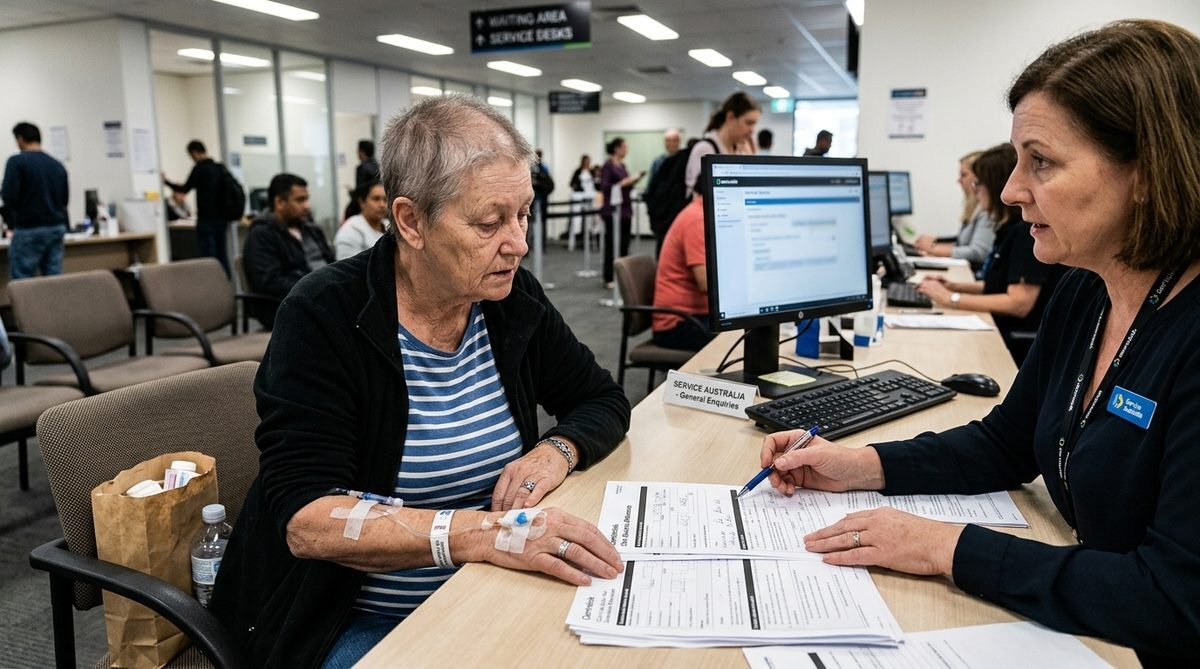
Does Bupa Cover Operations? What You Actually Need to Know Before Surgery

Bupa can cover operations. But whether your specific surgery is covered depends on your policy tier, your hospital's agreement with Bupa, and whether your surgeon is what Bupa calls a "Members First" provider. Get any one of those wrong and you can end up with a bill you didn't see coming.
Here's what I've seen happen: a client books a knee reconstruction, assumes her hospital cover handles it, and then gets hit with a $4,000 out-of-pocket charge after because her surgeon wasn't in the Members First network. The surgery was covered. The gap wasn't. the team at PTNA can walk you through it
That distinction matters more than most people realise before they're standing at the front desk.
Is My Surgery Covered by Bupa?
The honest answer is: it depends on your tier.
Bupa's hospital cover runs across four tiers: Basic, Bronze, Silver, and Gold. Basic and Bronze policies cover a limited list of clinical categories. Elective procedures like joint replacements, weight loss surgery, or spinal procedures often sit inside Silver or Gold categories only.
If you're on a lower tier and you need one of those procedures, Bupa will typically cover you at the public hospital rate. That means you go on a public waiting list even though you're paying for private cover.
Gold tier covers all Medicare-recognised hospital treatments. Silver Plus covers most of them, with a handful of exclusions that vary by policy. When you're looking at your specific policy documents, check two things: the list of clinical categories that are included, and whether those categories are covered as "restricted" or "unrestricted."
Restricted means you're only getting minimum benefits. In practice, that's mostly funding a public hospital bed.
One of my clients tried to use her Silver policy for a hip replacement and was shocked to find joint replacements sat in a Gold-only category on her plan. She'd been paying for Silver for six years without realising it didn't cover the one procedure she was most likely to need given her family history.
She upgraded, but the 12-month waiting period applied to that new category. So she waited another year. check the categories before you need them.
Does Private Healthcare Cover Operations Generally?
Yes. Hospital cover within private health insurance is specifically designed to cover surgical admissions. The entire point is that you can choose your surgeon, choose your hospital, and avoid public waiting lists for elective procedures.
What trips people up is the gap between what the health fund pays and what the surgeon charges. Medicare sets a schedule fee for every procedure. Bupa pays a benefit on top of that. But surgeons can charge above both, and that difference lands with you.
It's called the out-of-pocket gap. It's legal, common, and completely invisible until you get the invoice.
When I talk to people preparing for surgery, the question I always ask first is whether they've confirm their surgeon participates in Bupa's no-gap or known-gap scheme. A no-gap surgeon means zero out-of-pocket for the surgical fee. A known-gap surgeon means a capped, disclosed amount.
Any other surgeon and the gap is uncapped. I've seen gaps of $8,000 on a single procedure. I've also seen people walk away with nothing to pay. The difference was entirely in who they chose to operate.
What Does Bupa Actually Cover When You're Admitted?
When you're admitted to a Bupa-contracted private hospital for a covered procedure, your hospital cover generally pays for the hospital accommodation, theatre fees, intensive care if needed, some prostheses listed on the government's Prostheses List, and in-hospital allied health treatments.
What it does not automatically cover is the surgeon's fee gap, the anaesthetist's gap, any specialist consultations before or after that happen outside the hospital, and any extras like physiotherapy once you're discharged. Those costs sit outside your hospital cover entirely unless you also hold an Extras policy that includes them.
The anaesthetist gap is the one most people forget to ask about. I remember one of my clients going into a planned surgery, having confirmed everything with her surgeon, and then receiving a separate $1,200 bill from the anaesthetist weeks later.
She had no idea the anaesthetist was a separate billing arrangement. Always ask your surgeon to tell you who the anaesthetist will be. Then call Bupa and confirm whether that person participates in the no-gap scheme too.
What Is Not Covered by Bupa?
Some exclusions are standard across almost every policy. Cosmetic surgery that isn't medically necessary is not covered. Experimental treatments not recognised by Medicare are not covered. Hospital treatment you receive overseas is generally not covered under Australian hospital policies.
Pre-existing conditions within your waiting period are not covered. After the relevant waiting period expires, they are.
Waiting periods are the most common reason claims get denied in the first year of cover. Bupa applies a 12-month waiting period for pre-existing conditions and obstetric services, a 2-month wait for most other hospital treatments, and a 1-day wait for accidents.
If you signed up for cover after you already knew you needed surgery, that surgery is almost certainly sitting inside a waiting period.
There are also policy-specific exclusions that vary. Some Silver policies exclude psychiatric care, rehabilitation, or palliative care. Some exclude cardiac procedures. The only way to know for certain is to read your specific policy's exclusion list, not the product category name.
Two Silver policies from the same insurer can have meaningfully different inclusions depending on when you signed up and which product variant you're on.
What most articles miss here is the "restricted benefit" trap. A procedure showing up as "included" in your policy doesn't always mean it's fully covered. If it's listed as restricted, Bupa pays the minimum benefit set by the government, which is often only enough to cover a shared room in a public hospital.
So technically your policy includes the procedure. Practically, you still can't afford to use a private hospital for it without a substantial out-of-pocket payment. Always ask Bupa specifically: is this procedure covered as a full benefit or a restricted benefit?
How to Actually Confirm Your Surgery Is Covered Before You Book
Call Bupa directly before you book anything. Give them the item numbers for your procedure, which your surgeon's office can provide.
Ask Bupa three specific questions: Is this item number covered under my policy? Is it covered as a full benefit or restricted benefit? Is my hospital a contracted Bupa facility?
Then call your surgeon's billing team and ask whether the surgeon participates in Bupa's no-gap or known-gap arrangement. If they don't, ask for an estimate of the expected gap fee so you can make an informed decision about whether to proceed with that surgeon or find one in the no-gap network.
In my experience, doing these two calls takes about 30 minutes and can save thousands of dollars. Most people skip them because they assume coverage means coverage. It doesn't always.
The policy covers the category. The network determines the out-of-pocket. Those are two separate questions.
The Thing Most People Get Wrong About Bupa and Operations
The most common misconception is that having hospital cover means surgery is free. It means surgery is covered up to the limits of your policy and the agreements Bupa holds with your providers. The gaps are real, they're common, and they're your responsibility unless you specifically confirm otherwise before you go in.
The second misconception is that all hospitals are the same. Bupa has agreements with many but not all private hospitals. If you choose a hospital that isn't a contracted Bupa facility, you may receive no benefit at all, or only the minimum default benefit.
Check that your hospital is on the Bupa contracted list before you confirm your admission.
The third misconception, and this one surprises people, is that more expensive cover automatically means lower out-of-pocket costs. Your policy tier determines what procedures are covered. The no-gap and known-gap arrangements determine what you actually pay.
You can be on Gold cover and still face a large gap if your surgeon isn't in the network. Conversely, someone on Silver Plus can pay nothing out-of-pocket for a covered procedure with a no-gap surgeon. The tier and the network are separate levers.
FAQ
Does Bupa insurance cover operations for pre-existing conditions?
Yes, after the 12-month waiting period for pre-existing conditions has passed. If you had a diagnosed knee condition before taking out cover, your knee surgery will be covered once you've held the policy for 12 months. There's no ongoing exclusion after that waiting period ends.
Can I choose any surgeon if I have Bupa hospital cover?
You can choose any surgeon who has admitting rights at your chosen hospital. But whether you face an out-of-pocket gap depends on whether that surgeon participates in Bupa's no-gap or known-gap scheme.
Choosing a surgeon outside that scheme means an uncapped gap fee, regardless of your policy tier.
Does Bupa cover day surgery?
Yes. Day surgeries are covered under hospital policies in the same way as overnight admissions, provided the procedure falls within your covered clinical categories and the facility is a Bupa contracted day hospital or day surgery centre.
What happens if my surgeon isn't covered by Bupa?
If your surgeon doesn't participate in any Bupa gap arrangement, you pay the difference between what Medicare and Bupa pay combined and what your surgeon charges. That gap has no upper limit unless your surgeon agrees to cap it.
Get the expected gap in writing before you proceed.
Does Bupa cover emergency operations?
Emergency surgery is generally covered from the date you take out hospital cover, without a waiting period, as long as the procedure itself falls within your covered clinical categories. For procedures in categories you've specifically excluded from your policy, emergency coverage may still be limited.
How do I find out if my specific surgery is covered?
Ask your surgeon's office for the MBS item numbers for your procedure. Then call Bupa on 134 135 and ask them to check those specific item numbers against your policy. Also confirm whether your hospital is a contracted facility and whether the benefit is full or restricted.
What to Do Right Now
If surgery is on the horizon, do three things before you confirm any bookings. Get the procedure item numbers from your surgeon. Call Bupa and confirm those item numbers are covered as full benefits under your specific policy.
Then ask your surgeon's billing team whether they participate in Bupa's no-gap or known-gap arrangement, and do the same for the anaesthetist.
If you want help working through what your policy actually covers and what your out-of-pocket costs are likely to be, the team at PTNA can walk you through it before you're committed to anything.
Explore related health and wellbeing guides
This article is part of PTNA's consumer health and wellbeing library. Browse the Health & Wellbeing Resources hub to find related guides by topic, including Australian health cover, Medicare, prostate health, mental health, disability support and life insurance.
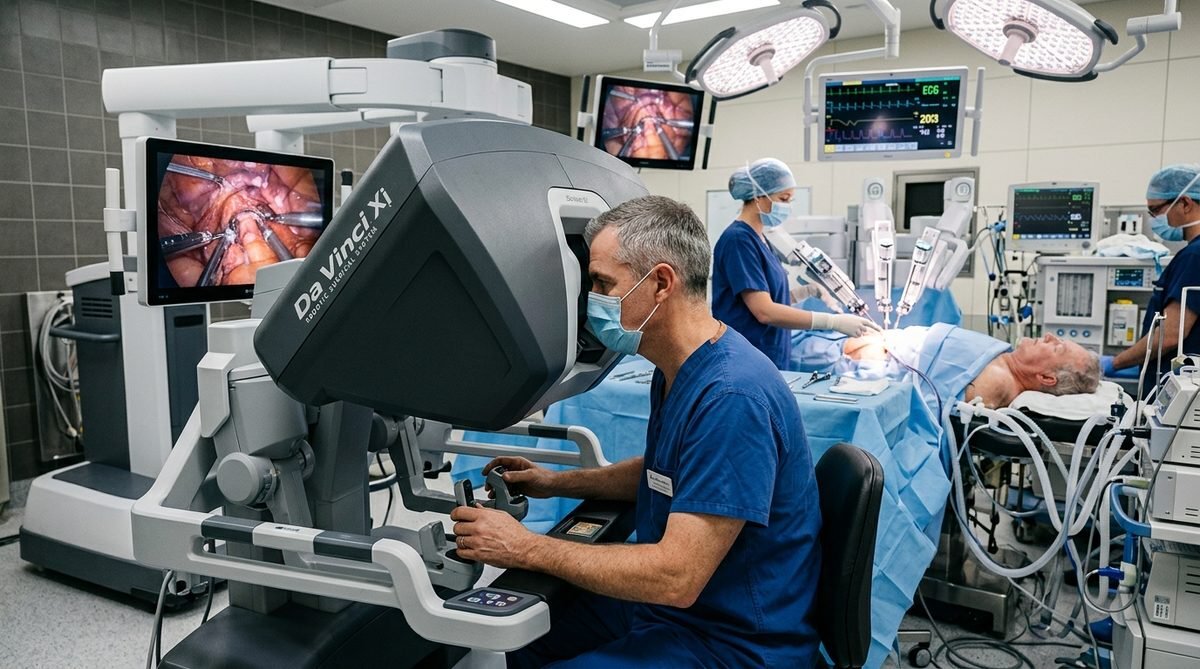
How Much Does It Cost to Have Your Prostate Removed Privately in Melbourne?
Read article →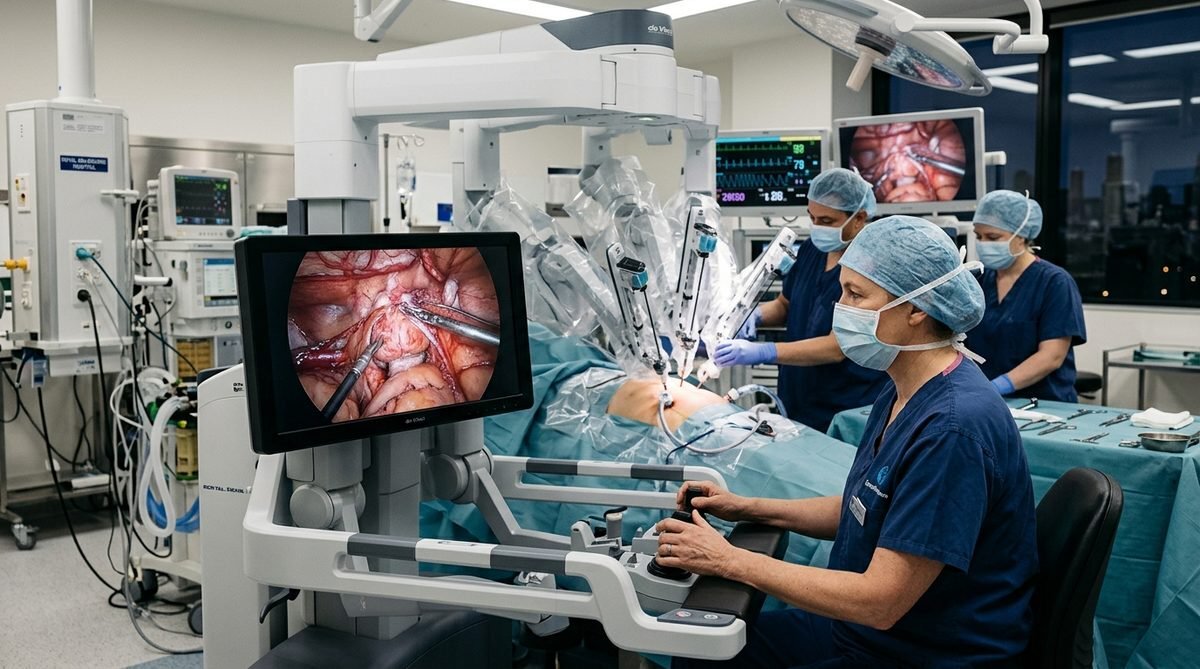
Is It Worth Having Your Prostate Removed in Melbourne?
Read article →
Can You Get Anything Free if You Have Cancer in Melbourne?
Read article →
What Are the Negatives of Removing Your Prostate in Melbourne?
Read article →
Is Prostate Cancer Classed as a Disability in Melbourne?
Read article →