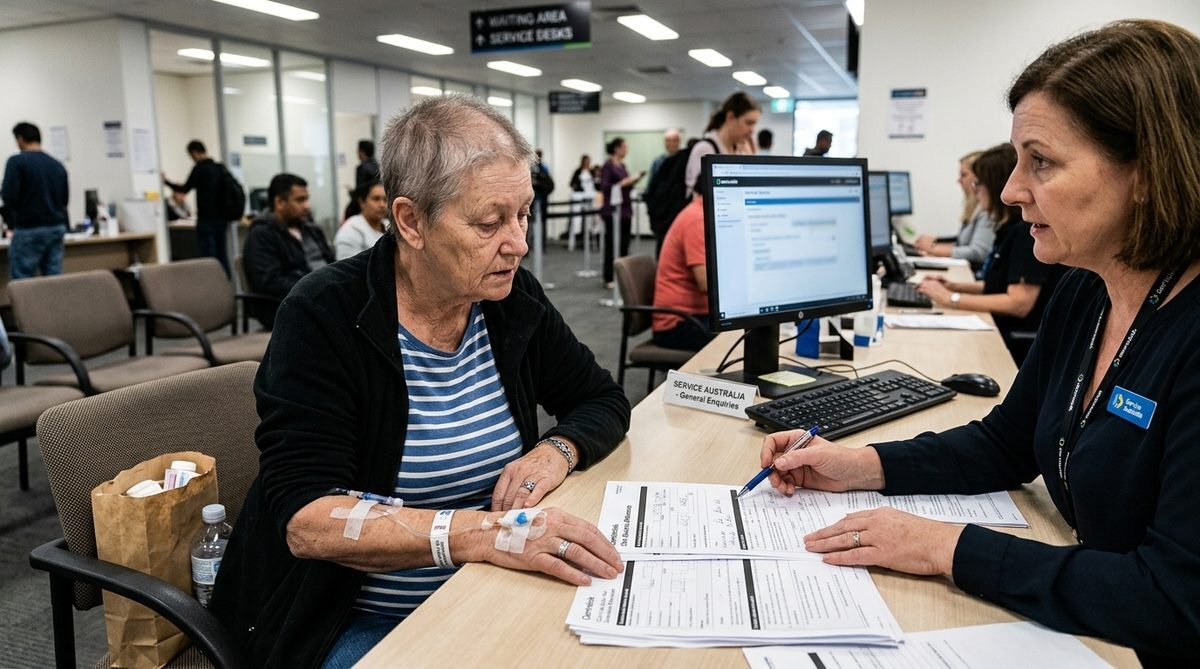
Does Bupa Cover Day Surgery in Australia? What You Actually Get

Bupa covers day surgery in Australia, but only if you hold a hospital cover policy that includes the clinical category your procedure falls under. That single condition catches a lot of people off guard. The cover exists. Whether your specific policy covers your specific procedure is a different question.
This article walks through how Bupa day surgery cover actually works, when you pay excess, what gets excluded, and what to check before you book anything.
What Does Bupa Actually Cover for Day Surgery?
Day surgery means you are admitted to hospital, have a procedure under anaesthetic or sedation, and go home the same day. Bupa treats this the same as an overnight admission for the purposes of your hospital cover. If your policy covers the clinical category the procedure sits in, Bupa pays the hospital benefit.
Common day surgery procedures that Bupa covers under appropriate policies include colonoscopies, cataract surgery, knee arthroscopies, tonsillectomies, and minor gynaecological procedures. The key word is appropriate. A Basic hospital policy covers very few categories. A Gold policy covers everything on the government-mandated list.
Bupa's hospital policies are tiered into Basic, Bronze, Silver, and Gold, plus various Plus variants within each tier. The Australian government sets minimum requirements for what each tier must cover. Bupa can add to those minimums but cannot go below them.
If your procedure falls into a category your tier does not include, Bupa will not pay the hospital benefit regardless of how long you have held the policy.
Do You Have to Pay Hospital Excess for Day Surgery with Bupa?
Yes, in most cases. Your excess applies to day surgery the same way it applies to an overnight stay. If your policy has a $500 excess, you pay $500 when you are admitted, even if you are home by 3pm.
There are two exceptions worth knowing. Some Bupa policies waive the excess for day surgery entirely. This is a specific policy feature, not a default. You need to check your certificate of insurance or call Bupa directly to confirm whether your policy includes it.
The second exception applies to children. Most Bupa hospital policies do not charge excess for dependent children, including for day surgery admissions.
If you have a couples or family policy, the excess structure can vary. Some policies charge per person per admission up to an annual cap. Others charge per admission with no cap. Knowing which structure you have matters if you expect multiple procedures in a year.
In my experience, the excess question is the one people most often forget to ask until they are standing at the hospital admissions desk. Check it before the day.
Does Bupa Cover Surgeries Beyond Day Procedures?
Yes. Bupa covers inpatient surgery, overnight stays, and multi-day admissions under hospital cover, subject to the same clinical category rules. The tier of your policy determines what is covered, not the length of your stay.
For elective surgery, Bupa requires you to have served the relevant waiting period before they pay benefits. The standard waiting period for most surgery is 12 months. Pre-existing conditions can trigger a 12-month wait even if you have held cover for years and switched funds. Psychiatric care, rehabilitation, and palliative care have a two-month waiting period under most policies.
Emergency surgery is different. If you present to a hospital emergency department and require immediate surgery, Bupa pays benefits from day one of your cover, regardless of waiting periods, as long as the clinical category is covered by your policy.
What Is Not Covered by Bupa?
Several things fall outside Bupa hospital cover regardless of your tier.
Cosmetic surgery with no medical basis is excluded across all policies. If a procedure is purely aesthetic, Bupa will not pay. If the same procedure has a documented medical reason, such as a rhinoplasty to correct a breathing obstruction, it may be covered depending on your policy tier and the clinical category it falls under.
Experimental treatments and procedures not recognised by Medicare are generally excluded. Bupa pays a benefit based on the Medicare Benefits Schedule. If Medicare does not recognise the item number, Bupa typically will not pay a hospital benefit for it.
Out-of-hospital costs are not covered by hospital insurance. Specialist consultations before and after surgery, GP referrals, and diagnostic imaging done outside a hospital admission fall under extras cover, not hospital cover. Many people assume their hospital policy covers the specialist visit that leads to surgery. It does not.
The gap between what Bupa pays and what your surgeon charges is another area that surprises people. Bupa pays the Medicare Benefits Schedule fee plus a Bupa benefit. If your surgeon charges above that, you pay the difference. This is called the gap. Surgeons who participate in Bupa's no-gap or known-gap scheme agree to charge within set limits. Surgeons who do not participate can charge whatever they choose, and your out-of-pocket can be significant.
Ambulance cover is separate from hospital cover in most states. Queensland and Tasmania fund ambulance through state levies. In other states, you need either a standalone ambulance membership or an extras policy that includes ambulance to avoid a large bill.
Do You Pay Hospital Excess for Day Surgery in Australia Generally?
This is not specific to Bupa. Across Australian private health insurance, excess applies to day surgery admissions unless your policy explicitly waives it for same-day procedures. The government sets rules around excess caps, but the application to day surgery is a policy-level decision each fund makes.
What I found when comparing policies is that the day surgery excess waiver is more common in mid-tier and top-tier policies. Basic and Bronze policies rarely include it. If you are on a lower-tier policy and expect to use day surgery regularly, it is worth calculating whether upgrading saves you money over a year.
The Medicare Levy Surcharge and Lifetime Health Cover loading rules mean many Australians hold the minimum hospital cover to avoid penalties rather than cover they actually intend to use. If that describes your situation, check what your policy actually covers before you need it rather than after.
How to Check Whether Your Bupa Policy Covers a Specific Day Surgery
The fastest way is to call Bupa directly with the Medicare item number for your procedure. Your surgeon's rooms can give you this number. Bupa can tell you whether that item number is covered under your policy and what your out-of-pocket will be, including your excess and any known gap.
You can also use Bupa's online member portal to check your policy details and the clinical categories it covers. The portal lists covered categories but does not always make it easy to map a specific procedure to a category. The phone call is more reliable.
Ask your surgeon whether they participate in Bupa's no-gap or known-gap scheme. If they do not, ask for a written estimate of their fee so you can calculate your out-of-pocket before you commit to the procedure date.
If your procedure is being done at a private hospital, confirm the hospital has an agreement with Bupa. Bupa has agreements with most major private hospitals in Australia, but not all. If the hospital is not in Bupa's agreement network, your out-of-pocket costs increase substantially.
What Most Articles Get Wrong About Bupa Day Surgery Cover
Most comparisons focus on whether Bupa covers day surgery as a yes or no question. The answer is always yes at some tier, which makes the comparison feel reassuring without being useful.
The more useful question is whether your current policy tier covers the category your procedure sits in. A lot of people holding Silver policies discover their procedure is in a category only covered from Gold. The tier gap is where most real-world coverage failures happen, and it rarely gets discussed clearly.
The second thing most articles miss is the surgeon gap. Hospital cover pays the hospital. It does not cap what your surgeon charges. Two people with identical Bupa Gold policies can have wildly different out-of-pocket costs for the same procedure depending on whether their surgeon participates in the no-gap scheme. This is the single biggest source of unexpected bills in the Australian private health system.
The third thing worth knowing is that physiotherapy and other allied health services you receive during a day surgery admission are covered under your hospital policy, not your extras. Post-operative physio done as an inpatient is a hospital benefit. The same physio done in a clinic the following week is an extras benefit. The distinction matters if your extras cover has annual limits you are close to exhausting.
FAQ
Does Bupa cover day surgery in Australia for all policy types?
No. Coverage depends on your policy tier and whether the procedure's clinical category is included. Basic policies cover very few surgical categories. Gold policies cover all government-mandated categories.
Do I pay excess for day surgery with Bupa?
Usually yes. Some Bupa policies waive excess for same-day admissions, but this is a specific feature you need to confirm on your policy. Children on family policies are typically exempt from excess.
What surgeries does Bupa not cover?
Cosmetic surgery without a medical basis, experimental procedures not on the Medicare Benefits Schedule, and procedures in clinical categories not included in your policy tier are not covered.
Can I use Bupa for day surgery at any private hospital?
Only at hospitals that have an agreement with Bupa. Most major private hospitals do. Using a non-agreement hospital significantly increases your out-of-pocket costs.
How do I find out if my specific procedure is covered?
Get the Medicare item number from your surgeon and call Bupa. They can confirm coverage and give you an estimate of your out-of-pocket including excess and any gap.
Does Bupa cover the anaesthetist for day surgery?
Bupa pays a benefit toward the anaesthetist's fee. Whether there is a gap depends on whether your anaesthetist participates in Bupa's no-gap scheme. Many anaesthetists do not, so a gap is common.
Is there a waiting period for day surgery with Bupa?
Yes. Most elective surgery has a 12-month waiting period. Pre-existing conditions also carry a 12-month wait. Emergency surgery has no waiting period.
The One Thing to Do Before Your Procedure
Call Bupa with your procedure's Medicare item number and ask three things: is this covered under my policy, what is my excess, and does my surgeon participate in the no-gap scheme. Those three answers tell you everything you need to know about your actual out-of-pocket cost before you commit to a date.
Explore related health and wellbeing guides
This article is part of PTNA's consumer health and wellbeing library. Browse the Health & Wellbeing Resources hub to find related guides by topic, including Australian health cover, Medicare, prostate health, mental health, disability support and life insurance.
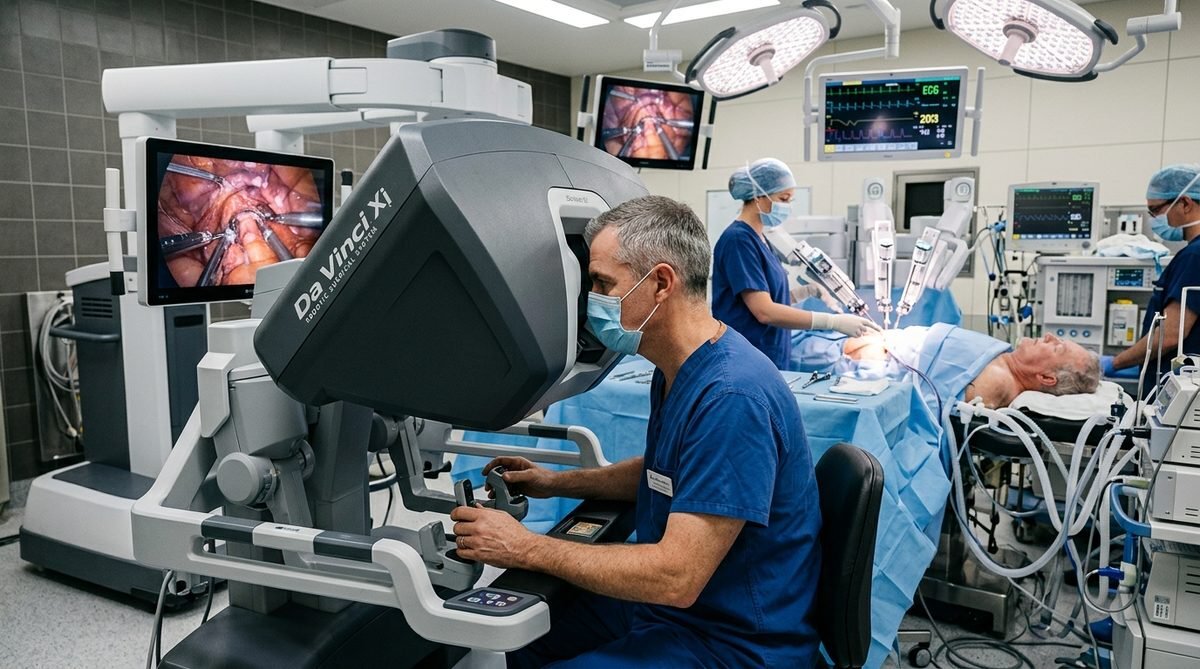
How Much Does It Cost to Have Your Prostate Removed Privately in Melbourne?
Read article →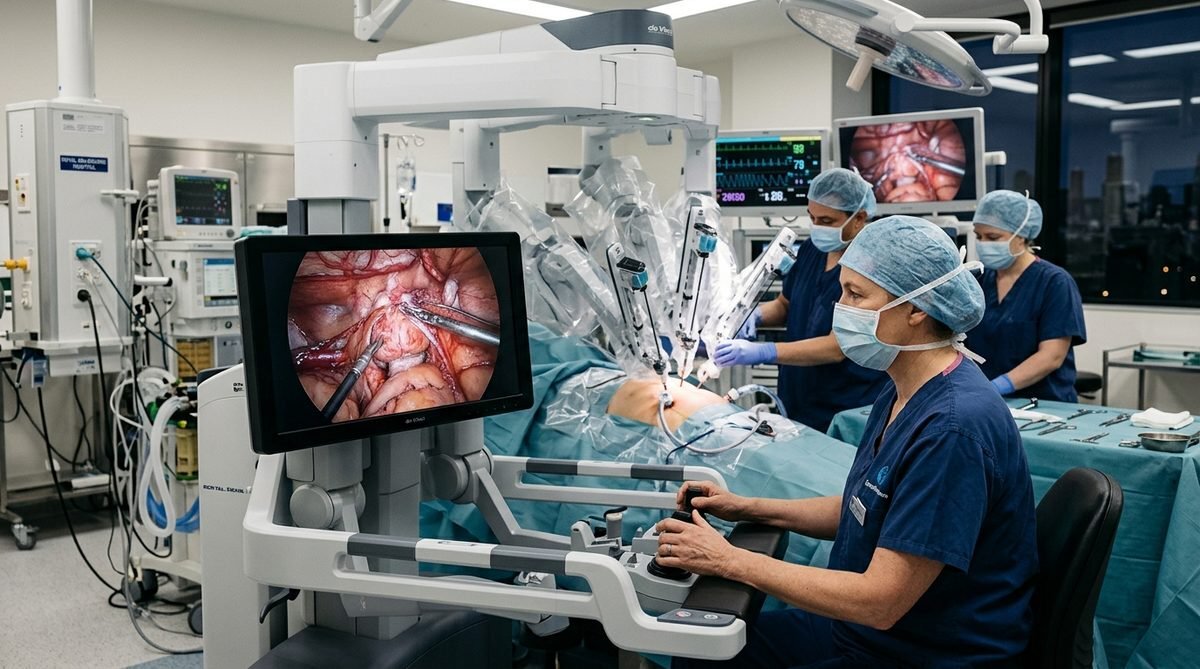
Is It Worth Having Your Prostate Removed in Melbourne?
Read article →
Can You Get Anything Free if You Have Cancer in Melbourne?
Read article →
What Are the Negatives of Removing Your Prostate in Melbourne?
Read article →
Is Prostate Cancer Classed as a Disability in Melbourne?
Read article →