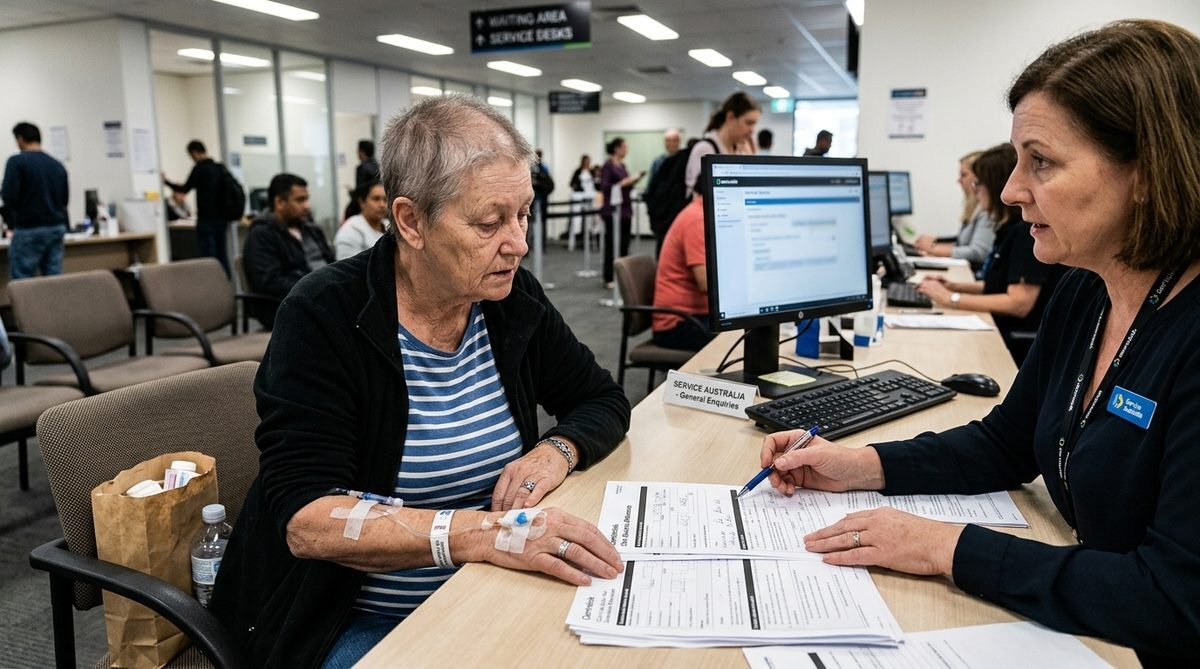
Do You Pay Hospital Excess for Day Surgery in Australia?

If you've been told you need a procedure and your surgeon says it can be done as day surgery, your first question is probably medical. Your second, once the dust settles, is almost always financial. Specifically: does your hospital excess still apply even if you're home by dinner?
Yes, in most cases you do pay a hospital excess for day surgery in Australia. But the full picture is more nuanced than that, and understanding it before you go in can save you a genuine surprise when the bill arrives.
What Is a Hospital Excess?
Your hospital excess is the amount you agree to pay out of pocket each time you're admitted to hospital, before your private health insurance covers the rest. It's essentially the same concept as a car insurance excess. You choose it when you take out your policy, and a higher excess generally means lower premiums.
In Australia, private hospital policies commonly carry excesses of $250, $500, $750, or $1,000 per admission. Some policies apply the excess once per person per calendar year, others charge it per admission, and some cap it so couples or families don't pay it more than twice in a year. That distinction matters a lot if you end up having more than one procedure.
Does Day Surgery Count as Hospitalisation?
This is where a lot of people get caught out. Day surgery absolutely counts as a hospital admission under Australian private health insurance rules, even though you don't stay overnight. The moment a hospital formally admits you, your policy treats it as a hospital episode. That triggers your excess.
The reason people assume day surgery might be different comes from a reasonable instinct: if you walk in and walk out the same day, it feels more like a clinic visit than a hospital stay. But from an insurance and health system perspective, the classification is based on admission status, not hours spent in a bed. If the hospital has admitted you, your excess applies.
This also affects how Medicare interacts with the claim. Under Australia's system, Medicare covers 75% of the Medicare Benefits Schedule fee for in-hospital services. Your private health insurer covers the remaining 25%, and any gap between the schedule fee and what your doctor actually charges sits with you unless your insurer has a gap cover arrangement with that provider. The excess is separate from all of this and sits on top. Medicare covers 75% of the Medicare Benefits Schedule fee
How Much Does Day Surgery Cost in Australia?
The total cost of day surgery depends on several factors: the type of procedure, whether your surgeon participates in a gap cover scheme, the hospital itself, and how your policy is structured.
For someone with private health insurance, the hospital facility fee is largely covered by your insurer once you've paid your excess. The bigger variable is often the surgeon's fee and the anaesthetist's fee, which can both carry gaps even with insurance. A procedure that costs the hospital $3,000 in facility fees might leave you paying only your $500 excess for that component, but still facing a $400 gap from the surgeon and a $200 gap from the anaesthetist.
For someone without private health insurance who is treated as a private patient in a public hospital, or who attends a private hospital without cover, the out-of-pocket costs can be considerably higher. Day surgery in a private facility without insurance can run anywhere from $1,500 to $5,000 or more depending on the procedure, the theatre time required, and the post-operative care involved.
If you're a public patient in a public hospital, Medicare covers the cost of the procedure and there is no private excess to worry about. The trade-off is that you have no choice of surgeon and may wait longer for an elective procedure.
Do You Pay Excess for Day Surgery With Bupa?
Yes. Bupa applies your hospital excess to day surgery admissions in the same way it applies to overnight admissions. If your policy carries a $500 excess per admission and you have a day procedure, you'll pay $500 before Bupa covers the balance of the hospital benefit.
Bupa does offer some policies where the excess only applies once per person per calendar year, which means if you've already been admitted for something else earlier in the year and paid your excess then, you may not pay it again for your day procedure. The specific rules depend on the product you hold, so checking your certificate of insurance or calling Bupa directly before your procedure is the cleanest way to know where you stand. Bupa does offer some policies where the excess only applies once per person per calendar year
This is broadly consistent across Australian private health insurers. Whether you're with Medibank, HCF, NIB, AHCSA, or any other fund, the logic is the same: day surgery is an admission, admissions trigger the excess, and the excess must be paid before benefits flow.
When Excess Might Not Apply to Day Surgery
There are a handful of situations where you may not pay an excess for a day procedure, and it's worth knowing them.
Some policies exclude certain procedures from excess altogether. Policies that cover psychiatric care, for instance, sometimes have different excess rules. Some funds also waive the excess for specific low-cost procedures or for children under 18 on a family policy. Policies with a $0 excess exist, though they carry higher premiums.
If your procedure is classified as an outpatient service rather than an admitted patient service, no excess applies. The distinction here is clinical and administrative: if the hospital treats you without formally admitting you, it is not a hospital admission. Some minor procedures performed in a day surgery setting, particularly those that don't require a theatre or anaesthesia, might fall into this category. But this is the exception rather than the rule, and you shouldn't assume it applies to your situation without checking with the hospital beforehand.
Emergency admissions are also treated differently under some policies. If your day procedure arose from an emergency presentation rather than an elective booking, your policy may have specific provisions. Again, reading your product disclosure statement or calling your fund is the reliable path.
What to Do Before Your Day Surgery
The single most useful thing you can do is call your health fund before the procedure date. Most funds have pre-admission services specifically for this. Give them the hospital's name, the procedure code if you have it, and the date. They can tell you exactly what your out-of-pocket will be for the hospital component.
Ask your surgeon's rooms separately about any gap fee. Ask the anaesthetist's rooms the same question. These two costs are independent of your insurer's hospital benefit and can catch people off guard more than the excess itself.
If cost is genuinely a barrier, it's worth asking the surgeon whether the procedure could be done as a public patient. For elective procedures, that typically means a longer wait, but it removes the private cost structure entirely. For some people in some situations, that trade-off makes sense.
How Excess Interacts With Your Overall Out-of-Pocket Costs
One thing that confuses people is the relationship between the excess and the Medicare Safety Net. The Medicare Safety Net is a federal program that tracks your out-of-pocket medical costs over a calendar year. Once your cumulative out-of-pocket expenses for out-of-hospital services reach a threshold, Medicare starts covering a higher percentage of those costs.
The hospital excess you pay to your private insurer does not count toward the Medicare Safety Net. The Safety Net is designed to protect against gap fees on out-of-hospital services, not against the excess on your private insurance policy. Understanding this distinction matters for people who expect the Safety Net to eventually absorb their costs across the year.
What does count toward the Extended Medicare Safety Net is the gap between the Medicare schedule fee and what you pay out of pocket for services like specialist consultations and out-of-hospital procedures. So the surgeon gap you pay separately from your insurer may count, but your excess won't.
Choosing the Right Excess Level for Your Situation
If you're reviewing your health insurance policy and day surgery is something you anticipate needing, the excess you choose has a direct bearing on your real cost.
A lower excess means less out of pocket per admission but higher monthly premiums. A higher excess saves on premiums through the year but costs more at the moment of admission. For someone who is young, healthy, and unlikely to need any hospital admission in a given year, a higher excess can make financial sense. For someone who knows they have a procedure coming up, a lower excess is generally worth the premium cost.
One structure worth looking for is a policy that caps the excess to one payment per person per year. If you end up needing two separate admissions, you'll pay the excess once rather than twice. Over time, this kind of policy structure can save a meaningful amount for people who use their cover regularly.
The Bottom Line
Day surgery in Australia is treated as a hospital admission for private health insurance purposes. That means your excess applies, your fund pays its share of the hospital benefit, and any gap fees from your surgeon or anaesthetist remain your responsibility on top of that.
The best way to avoid surprises is to make three calls before your procedure: one to your fund to confirm the hospital benefit and your out-of-pocket, one to your surgeon's rooms to ask about any gap, and one to the anaesthetist's rooms to do the same. Five minutes of calls can give you a complete picture of what you'll actually pay, which puts you in a far better position than finding out after the fact. understanding how your cover applies to an upcoming procedure
If you want help reviewing your health insurance arrangements or understanding how your cover applies to an upcoming procedure, the team at PTNA can walk you through it.
Explore related health and wellbeing guides
This article is part of PTNA's consumer health and wellbeing library. Browse the Health & Wellbeing Resources hub to find related guides by topic, including Australian health cover, Medicare, prostate health, mental health, disability support and life insurance.
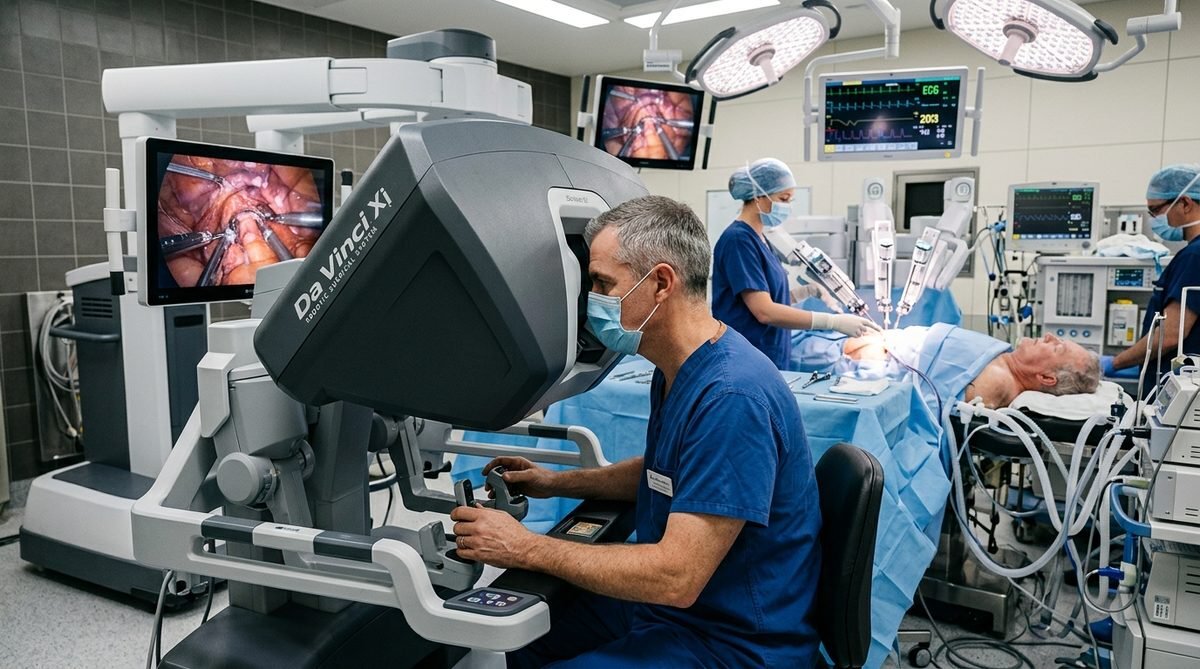
How Much Does It Cost to Have Your Prostate Removed Privately in Melbourne?
Read article →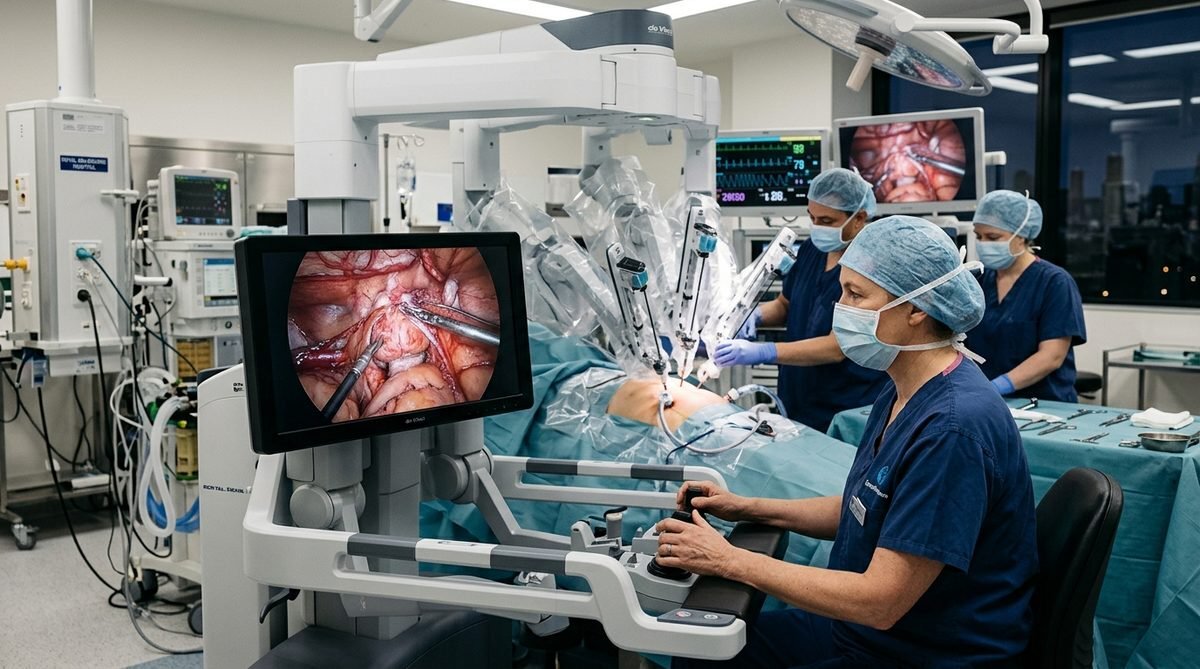
Is It Worth Having Your Prostate Removed in Melbourne?
Read article →
Can You Get Anything Free if You Have Cancer in Melbourne?
Read article →
What Are the Negatives of Removing Your Prostate in Melbourne?
Read article →
Is Prostate Cancer Classed as a Disability in Melbourne?
Read article →