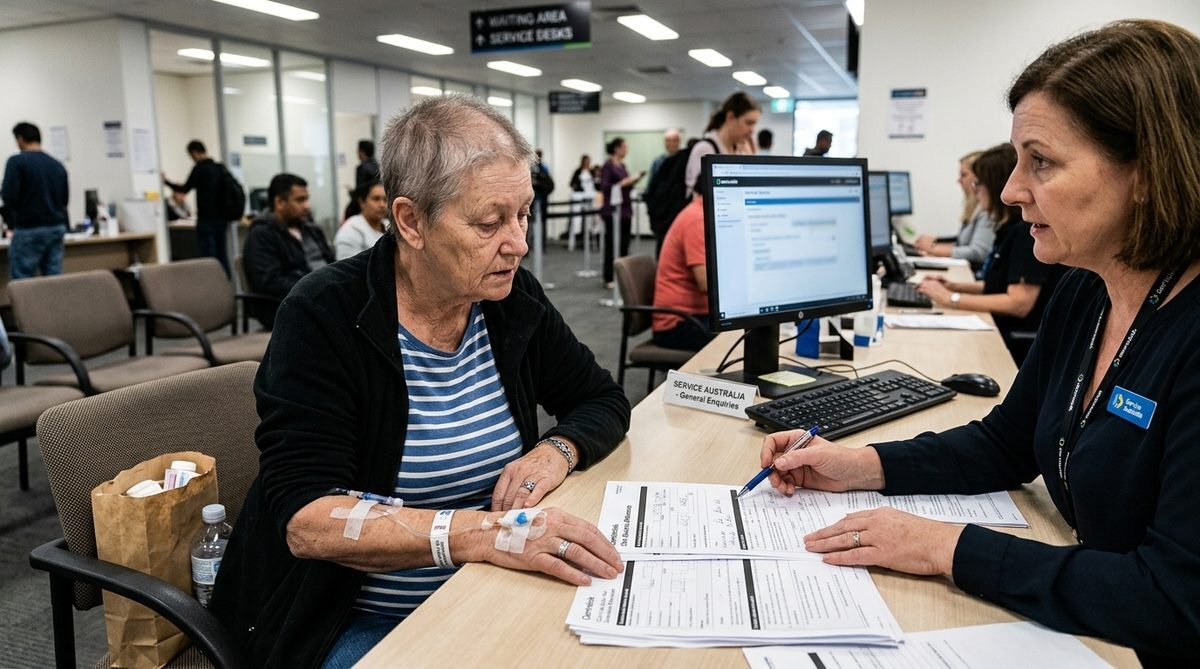
Do You Pay Hospital Excess for Day Surgery? What Australians Need to Know

Yes, in most cases you do pay hospital excess for day surgery. Whether it applies depends on your specific policy, your insurer, and how your procedure is classified. Most Australians are surprised to find out their excess applies even when they go home the same day.
This article breaks down exactly how it works, what the major funds charge, and what you can do to reduce or avoid the cost. PTNA
What Is a Hospital Excess?
A hospital excess is the amount you agree to pay out of pocket each time you're admitted to hospital, before your insurer covers the rest. You choose this amount when you take out your policy. Higher excess means lower premiums. Lower excess means higher premiums.
The excess is not a co-payment on top of the bill. It's a fixed amount you pay once per admission, or in some policies once per person per year. After that, your insurer covers the agreed portion of the remaining costs.
Do I Have to Pay Excess for Day Surgery?
Usually yes. Day surgery counts as a hospital admission under most Australian private health insurance policies. The fact that you're not staying overnight doesn't change how the admission is classified.
In my experience reviewing policies for clients, this is one of the most common misunderstandings people have. They assume day surgery is somehow separate from inpatient cover, but it isn't. If your policy has a hospital excess, it almost always applies to day procedures too.
There are two exceptions worth knowing. First, some policies specifically waive the excess for day surgery admissions. These are less common but they do exist, particularly in higher-tier hospital cover products. Second, some insurers only charge the excess once per calendar year per person, so if you've already paid it for a previous admission that year, you won't pay it again.
The only way to know for certain is to call your insurer before the procedure and ask directly whether your excess applies to this specific admission.
How Does Day Surgery Work With Private Health Insurance?
When you have a day procedure in a private hospital or day surgery facility, the billing process works like this. The hospital charges a facility fee. Your surgeon, anaesthetist, and any other treating doctors charge separately. Your insurer pays the hospital benefit for the facility fee, minus your excess. The Medicare Benefits Schedule covers a portion of the doctor fees, and your insurer may cover some or all of the gap depending on your policy and whether your doctors participate in a gap cover scheme.
The excess only applies to the hospital component, not to the doctor fees. So even after paying your excess, you may still have out-of-pocket costs from doctors who charge above the scheduled fee.
What I found when looking at real claims is that people often focus on the excess and overlook the gap fees, which can sometimes be larger. Always ask your surgeon and anaesthetist whether they participate in your insurer's gap cover arrangement before you book.
Do You Have to Pay Hospital Excess for Day Surgery With Bupa?
With Bupa, the standard answer is yes. Your hospital excess applies to day surgery admissions the same way it applies to overnight stays. Bupa's policies are structured so that the excess is charged per admission, which means each separate day surgery visit triggers the excess.
Bupa does offer some policies with a reduced or waived excess for day surgery, typically on their higher-tier products. If you're on a Basic or Bronze policy with Bupa, expect to pay your full excess for any day procedure.
Bupa also has a feature on some policies called a day surgery excess waiver, which removes the excess specifically for procedures done in a day surgery setting. If this matters to you, ask Bupa directly whether your current policy includes it, or whether upgrading to a policy that does would save you money overall given how often you use day surgery.
One thing Bupa does well is their online member portal, where you can check your excess amount and see whether it's been met for the year before you book a procedure. Use it.
Do You Have to Pay Hospital Excess for Day Surgery With AHM?
AHM operates similarly to Bupa in this regard. Your hospital excess applies to day surgery admissions. AHM is a subsidiary of Medibank, and their policy structures follow the same general framework.
AHM's entry-level hospital products carry a higher excess, often $750 per person or $1,500 per couple per year. On these policies, day surgery will trigger the full excess unless you've already paid it earlier in the year.
Where AHM differs slightly is in how they handle the annual excess cap. On couples and family policies, once the combined excess has been paid across admissions in a calendar year, no further excess is charged for that year. This can work in your favour if multiple family members need procedures in the same year.
When I tried to find a clear answer on AHM's website about day surgery excess, it wasn't immediately obvious. The clearest path is to call AHM's member services line and ask them to confirm in writing whether your excess applies to your upcoming procedure. Get a reference number for the call.
Is Day Surgery Claimable on Private Health Insurance?
Yes, day surgery is claimable on private health insurance, provided your policy includes hospital cover and the procedure is covered under your tier of cover.
This is where the tiered system matters. Since April 2019, Australian hospital policies are classified as Basic, Bronze, Silver, or Gold. Each tier covers a different set of clinical categories. If your procedure falls under a clinical category not included in your tier, your insurer won't pay the hospital benefit regardless of whether it's day surgery or an overnight stay.
For example, joint replacements are only covered under Gold policies. If you have a Silver policy and need a knee arthroscopy, you need to check whether that specific procedure falls under a covered category in your policy. Some Silver policies include extras that cover certain orthopaedic procedures. Others don't.
The safest approach before any day surgery is to get a pre-admission estimate from the hospital and send it to your insurer for a written benefits estimate. This tells you exactly what they'll pay, what your excess will be, and what you'll owe out of pocket.
What Procedures Are Typically Done as Day Surgery?
Day surgery covers a wide range of procedures. Colonoscopies, gastroscopies, cataract surgery, minor orthopaedic procedures, dental surgery under general anaesthetic, skin lesion removals, hernia repairs, and many gynaecological procedures are commonly performed as day cases.
The fact that a procedure is routine or minor doesn't mean it's cheap. A colonoscopy in a private day surgery facility can generate a facility fee of $1,000 or more before your insurer's benefit is applied. Your excess comes off the top of that.
How to Reduce What You Pay for Day Surgery
There are a few practical ways to reduce your out-of-pocket costs for day surgery.
First, check whether your excess has already been met for the year. If you've had a previous hospital admission in the same calendar year and paid your excess then, you may not owe it again depending on your policy structure.
Second, ask your surgeon whether the procedure can be done in a public hospital as a private patient. In some cases this reduces the facility fee significantly while still allowing you to use your private cover for the doctor fees.
Third, confirm that your surgeon and anaesthetist participate in your insurer's known gap or no gap scheme. This eliminates or caps the gap fees you pay on top of the Medicare benefit.
Fourth, consider whether your current excess level makes sense for how often you use hospital cover. If you're having day surgery once or twice a year, a lower excess policy might cost less overall even if the premiums are slightly higher.
FAQ
Does the excess apply every time I have day surgery?
It depends on your policy. Most policies charge the excess per admission, which means each separate day surgery visit triggers it. Some policies have an annual excess cap, so once you've paid the excess once in a calendar year, further admissions that year are excess-free. Check your policy document or call your insurer.
What if I have a $0 excess policy?
If your policy has a $0 excess, you won't pay an excess for day surgery or any other hospital admission. These policies carry higher premiums to offset the cost.
Can I claim day surgery on Medicare only, without private health insurance?
If you use a public hospital as a public patient, Medicare covers the cost and there's no excess. If you use a private hospital or private day surgery facility without private health insurance, Medicare covers only the doctor fees at the scheduled rate. You pay the full facility fee yourself, which can be substantial.
Does the excess apply to procedures done in a doctor's rooms?
No. Procedures performed in a doctor's consulting rooms are not hospital admissions and don't attract a hospital excess. The excess only applies when you're formally admitted to a hospital or day surgery facility.
What's the difference between an excess and a co-payment?
An excess is a fixed amount you pay per admission before your insurer covers the rest. A co-payment is a smaller daily charge, typically $50 to $100 per day, that some policies use instead of or alongside an excess. Day surgery policies with co-payments usually charge one day's co-payment per admission since you're only there for one day.
Do children pay excess for day surgery?
Most family policies waive the excess for dependent children. Check your policy, but this is standard practice across most Australian health funds.
The One Thing to Do Before Your Next Day Surgery
Call your insurer, give them the procedure item numbers your surgeon has provided, and ask for a written benefits estimate. This takes about ten minutes and tells you exactly what you'll pay. Do this before you pay any deposits or confirm your booking date. It's the single most effective way to avoid a surprise bill.
If you want help understanding your private health insurance options or finding a policy that works for how you actually use healthcare, the team at PTNA can walk you through it.
Explore related health and wellbeing guides
This article is part of PTNA's consumer health and wellbeing library. Browse the Health & Wellbeing Resources hub to find related guides by topic, including Australian health cover, Medicare, prostate health, mental health, disability support and life insurance.
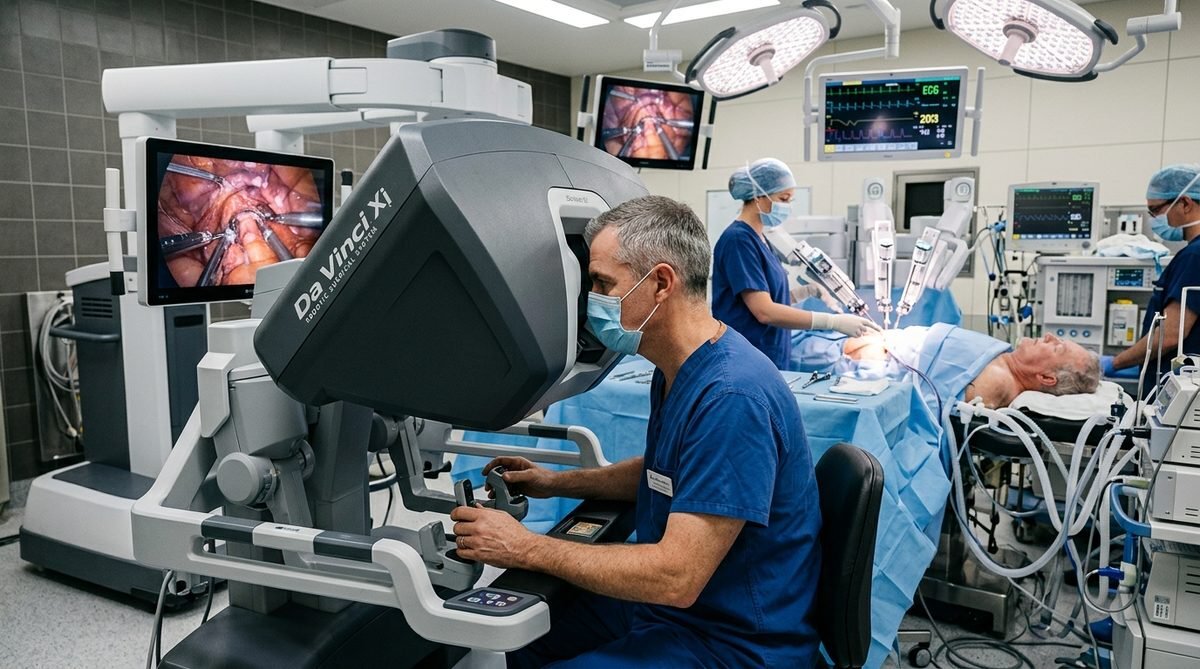
How Much Does It Cost to Have Your Prostate Removed Privately in Melbourne?
Read article →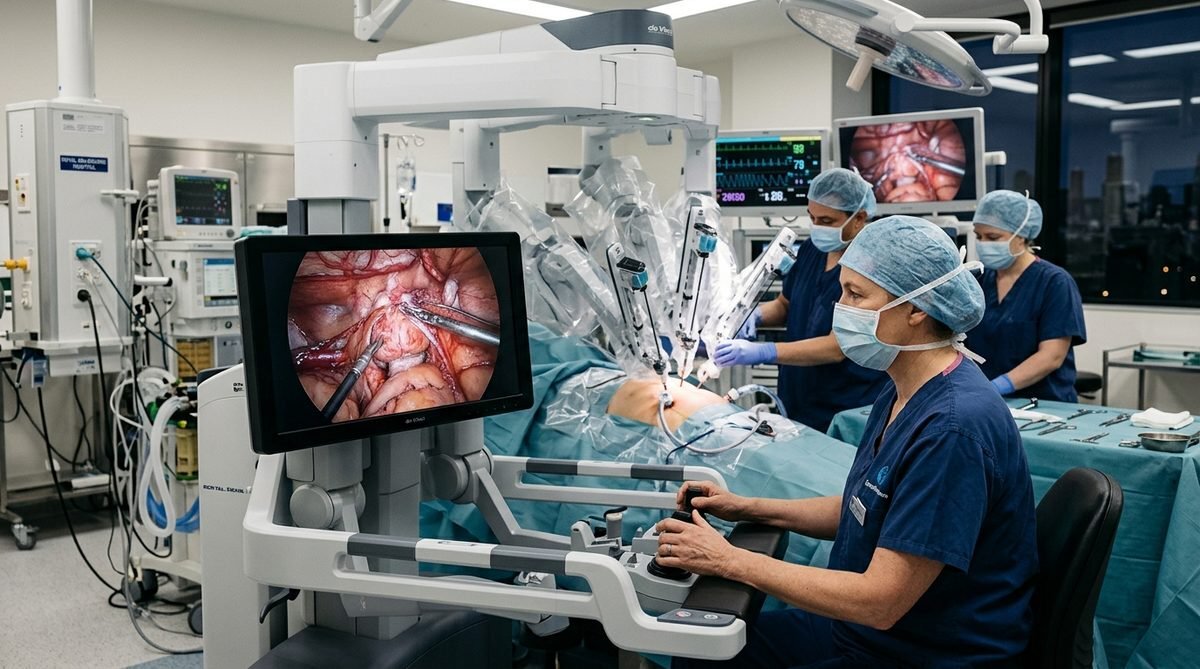
Is It Worth Having Your Prostate Removed in Melbourne?
Read article →
Can You Get Anything Free if You Have Cancer in Melbourne?
Read article →
What Are the Negatives of Removing Your Prostate in Melbourne?
Read article →
Is Prostate Cancer Classed as a Disability in Melbourne?
Read article →