Do You Have to Pay Hospital Excess for Day Surgery in Bupa?
Yes, in most cases you do have to pay your hospital excess for day surgery with Bupa, just as you would for an overnight admission. The type of procedure does not determine whether excess applies. Your policy does.
This catches a lot of people off guard. They assume day surgery is somehow exempt because it feels minor or because they go home the same day. What I found when reviewing Bupa policies is that the trigger for excess is hospital admission, not the length of stay.
What is a hospital excess in Bupa health insurance?
A hospital excess is the amount you agree to pay out of pocket each time you are admitted to hospital. It is set when you take out your policy and directly affects your premium. A higher excess means lower monthly premiums. A lower excess means higher premiums.
Bupa offers excess options typically ranging from $0 up to $750 per person, depending on the policy tier. Common options are $250, $500, and $750. You choose this amount when you sign up, and it applies every time you are admitted as a hospital patient, whether that admission lasts two hours or two weeks.
The excess is paid to the hospital, not to Bupa. Bupa then covers the remaining eligible costs according to your level of cover.
Do you have to pay excess for day surgery with Bupa?
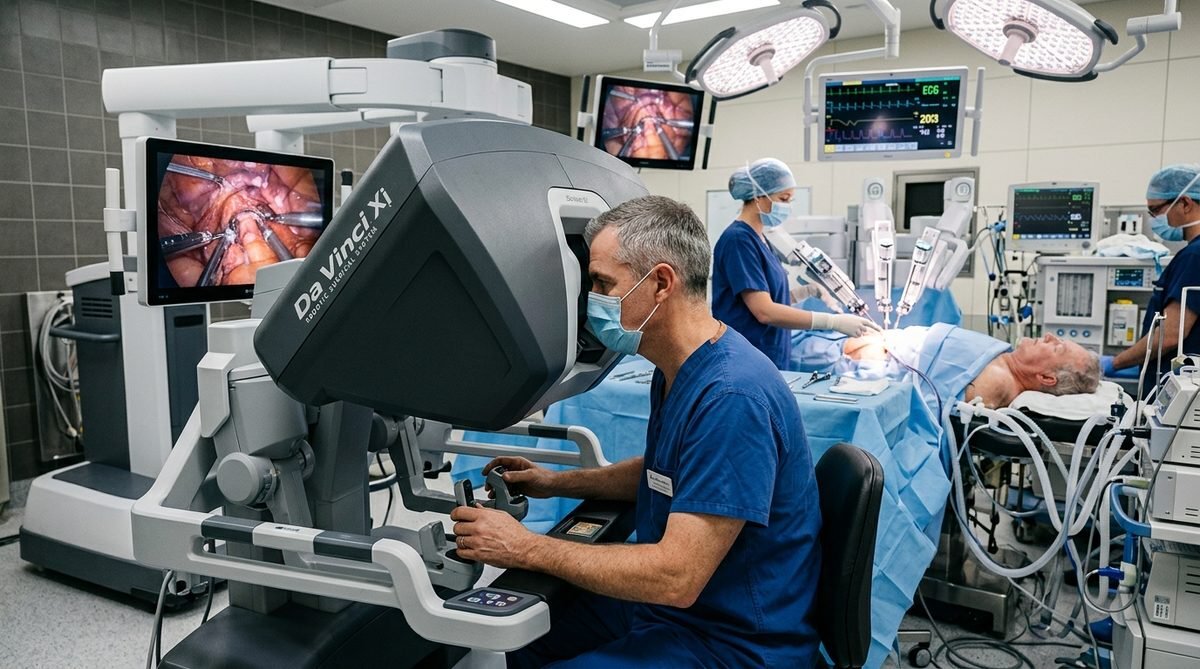
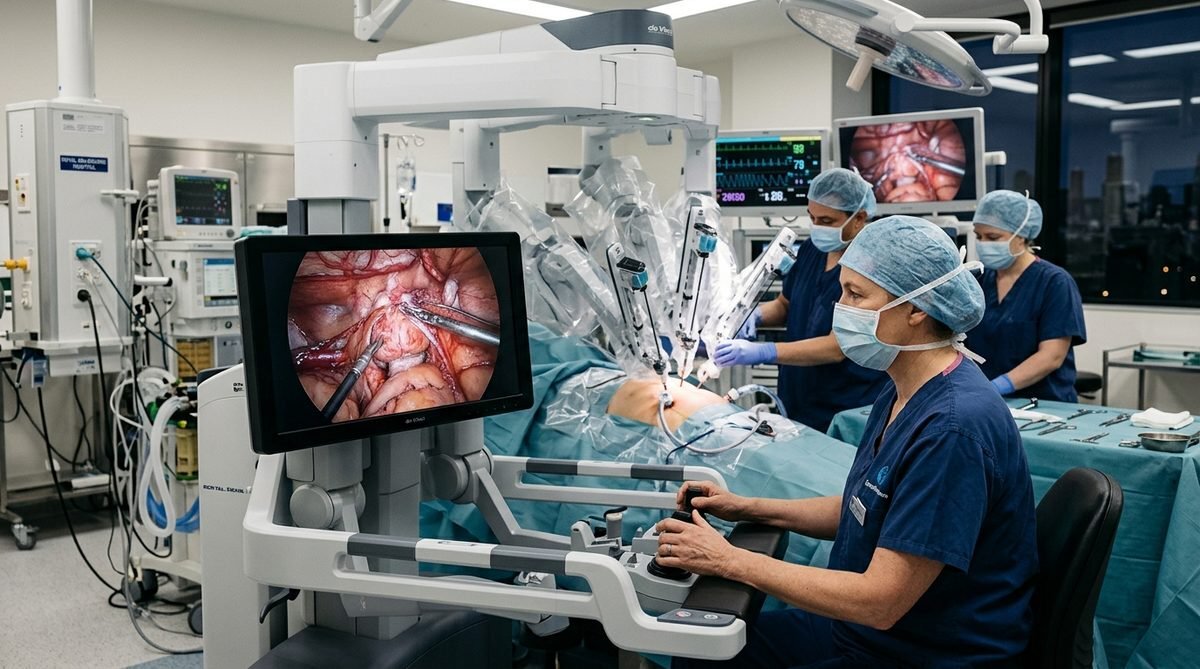
Yes. If you are formally admitted to hospital for a day procedure, your excess applies. Bupa defines a hospital admission as any episode where you are admitted as a patient, regardless of whether you sleep there overnight.
Day surgery procedures that commonly trigger excess include colonoscopies, cataract surgery, minor orthopaedic procedures, and gastroscopies. These are all performed under a formal admission, so the excess applies.
What does not trigger your excess is a procedure done in a doctor's rooms or a day procedure centre where you are not formally admitted as a hospital patient. In my experience reviewing these policies, the distinction between a hospital admission and a non-admitted procedure is the single most misunderstood part of private health insurance in Australia.
If you are unsure whether your upcoming procedure will be done as an admitted or non-admitted patient, call the facility directly before your appointment. Ask them specifically whether they will be admitting you as a hospital patient. That one question saves a lot of surprise bills.
How many times per year do you pay excess with Bupa hospital cover?
Bupa applies excess on a per-admission basis, but most policies cap the number of times you pay in a calendar year. For singles, the cap is typically two admissions per year. For couples and families, it is also usually two admissions per policy per year, meaning once the combined excess payments reach the annual cap, further admissions in that year are excess-free.
This cap structure matters a lot if you or a family member needs multiple procedures in a year. After two admissions, Bupa stops charging the excess for that policy year. The exact cap depends on your specific policy, so check your product disclosure statement or call Bupa directly to confirm the limit on your cover.
One thing most articles miss here: the annual cap resets on January 1 each year, not on your policy anniversary date. So if you have surgery in December and again in January, you pay excess both times even if they are only weeks apart.
Does Bupa charge excess for children's hospital admissions?
No. Bupa waives the hospital excess for dependent children on a family or couples policy. This applies to children covered under your policy who are admitted to hospital, including for day surgery.
This is one of the more useful features of family cover that does not get enough attention. If your child needs a tonsillectomy, grommets, or any other day procedure requiring hospital admission, you will not be charged an excess for that admission. The waiver applies automatically. You do not need to request it.
Adults on the same policy still pay excess for their own admissions up to the annual cap.
What is the difference between an excess and a co-payment in Bupa health insurance?
These two terms are often used interchangeably but they work differently.
An excess is a fixed dollar amount you pay per admission, up to an annual cap. Once you have paid your excess, Bupa covers the rest of the eligible costs for that admission.
A co-payment is a fixed daily charge you pay for each day you are in hospital, up to a set number of days per admission. Bupa's co-payment option is less common now but some older or budget policies still use this structure. A typical co-payment might be $50 per day for the first ten days of each admission.
The practical difference is this: an excess is usually better value for short stays and day surgery because you pay a single fixed amount regardless of how many hours you are there. A co-payment can become more expensive for longer admissions because it accumulates daily.
Most current Bupa hospital policies use an excess rather than a co-payment. If you are on an older policy, check which structure applies to yours.
Can you avoid paying a hospital excess with Bupa by choosing a no-excess policy?
Yes. Bupa offers policies with a $0 excess, which means you pay nothing out of pocket at the time of admission. The trade-off is a higher monthly premium.
Whether a no-excess policy makes financial sense depends on how often you use hospital cover. If you have one or two admissions a year, the premium difference between a $0 excess and a $500 excess policy often exceeds what you would have paid in excess anyway. In that case, the higher excess with lower premiums saves you money overall.
Where a no-excess policy makes more sense is if you have a chronic condition requiring frequent admissions, or if the certainty of no out-of-pocket costs at admission matters more to you than the annual premium saving.
What most people do not realise is that you can change your excess level at any time by contacting Bupa. If you know you have surgery coming up, you might consider switching to a lower excess before the procedure. Just be aware that Bupa may apply a waiting period before the new excess level takes effect, particularly if you are reducing your excess. Check this before assuming the change will apply immediately.
When does excess not apply to day surgery with Bupa?
There are a few situations where you will not pay excess for a day procedure.
If the procedure is performed in a non-admitted setting, such as a specialist's rooms or a day procedure centre that does not formally admit you as a hospital patient, no excess applies. These are billed differently and fall outside the hospital admission framework.
If you have already paid your annual excess cap earlier in the same calendar year, further admissions including day surgery are excess-free for the rest of that year.
If you are a dependent child on a family policy, as covered above, no excess applies.
If you hold a $0 excess policy, no excess applies to any admission.
Emergency admissions through a public hospital emergency department are also handled differently. If you are treated as a public patient in a public hospital, your private health insurance may not be billed at all, and excess would not apply in that scenario.
What about the Medicare Levy Surcharge and your excess choice?
This is an angle most articles skip entirely. The Australian Government sets a threshold for what counts as an approved hospital cover for Medicare Levy Surcharge purposes. As of current rules, the excess on an approved policy cannot exceed $750 for singles or $1,500 for couples and families.
Bupa's policies stay within these thresholds, so any standard Bupa hospital policy qualifies as approved cover. But if you are comparing policies across insurers and see an excess above these limits, that policy would not exempt you from the Medicare Levy Surcharge even though it is technically hospital cover.
How to check what excess applies to your specific Bupa policy
The fastest way is to log into your Bupa member account online or through the Bupa app. Your excess amount is listed under your hospital cover details. You can also call Bupa directly on 134 135 or check your certificate of insurance, which is sent when you take out or renew your policy.
Before any planned admission, it is worth calling Bupa to confirm your current excess, whether you have already paid any excess this calendar year, and whether the specific hospital is a Bupa agreement hospital. Using an agreement hospital means Bupa has negotiated rates with that facility, which reduces the chance of unexpected out-of-pocket costs beyond your excess.
When I tried this process ahead of a planned procedure, the Bupa pre-admission team was able to give a clear breakdown of expected costs within about ten minutes. That kind of pre-check is worth doing for any planned hospital admission, day surgery or otherwise.
FAQ
Does day surgery count as a hospital admission for Bupa excess purposes?
Yes. If you are formally admitted to hospital for the procedure, your excess applies regardless of how long you stay.
Can I claim my Bupa excess back on tax?
No. Hospital excess payments are not tax deductible in Australia. They are also not claimable through Medicare.
What if I go to a non-agreement hospital for day surgery?
You will still pay your excess, but you may also face additional out-of-pocket costs because Bupa has not pre-negotiated rates with that facility. Always check whether your hospital is a Bupa agreement hospital before booking.
Does the excess apply if I am admitted but the surgery is cancelled on the day?
If you were formally admitted and then discharged without the procedure going ahead, Bupa's policy on this varies. Contact Bupa directly in this situation as the outcome depends on how the hospital processed the admission.
Is the excess the same for private and public hospitals?
Your excess amount is the same regardless of which hospital you use, as long as you are admitted as a private patient. If you choose to be treated as a public patient in a public hospital, private health insurance typically does not apply and no excess is charged.
Do you have to pay hospital excess for day surgery in Bupa if you have extras cover only?
Extras cover does not include hospital cover, so hospital excess does not apply. But extras-only cover also means Bupa will not contribute to hospital admission costs at all.
The one thing to do before your next day surgery
Call Bupa before your admission, confirm your excess amount, check whether you have already met your annual cap, and verify the hospital is an agreement facility. That single call takes ten minutes and removes every financial surprise on the day.