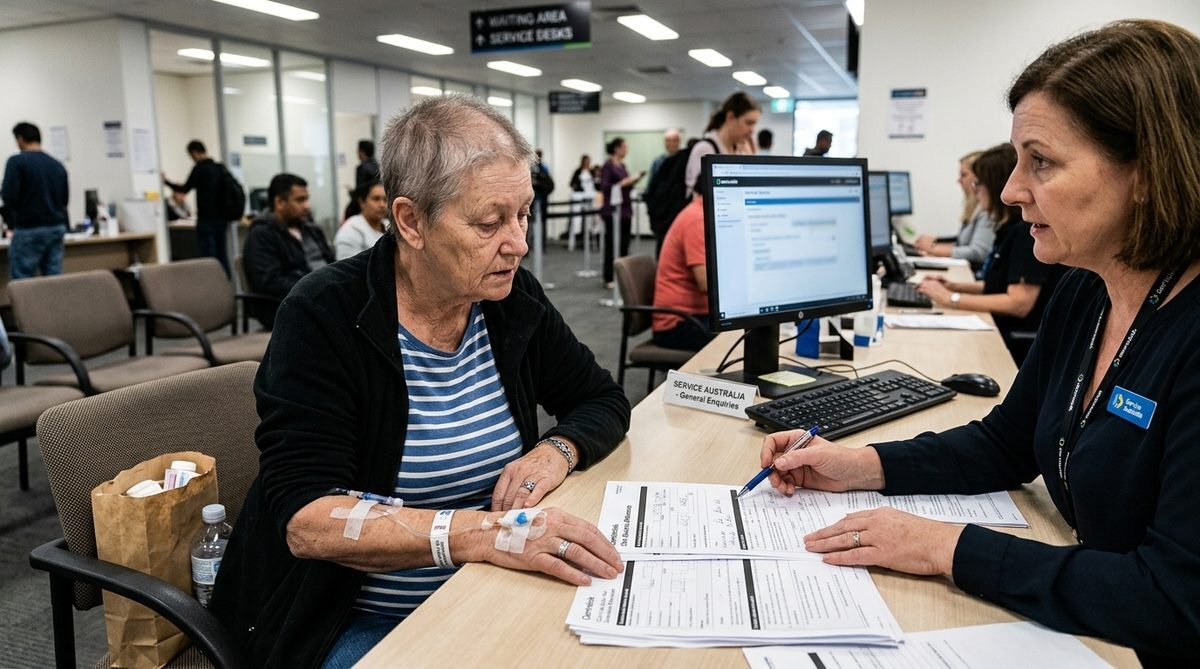
Do migrants in Australia get Medicare?

Some migrants in Australia get Medicare, but eligibility depends on their residency status, visa and home country. An Australian permanent resident can usually enrol. Some people applying for permanent residency may qualify too. Most temporary visa holders can't enrol unless a special rule or reciprocal health care agreement covers them.
The main point is simple: living, working or paying tax in Australia doesn't give a migrant Medicare access by itself. The person's legal status matters more than how long they've lived here.
Which status gives you the clearest path to Medicare?
Permanent residency gives most migrants the clearest path. Someone who receives permanent residency can usually apply to enrol in Medicare if they live in Australia. They don't need to be a citizen.
This can cause confusion when people compare Australian residency with the United States system. A Green card is a United States document. Australia doesn't issue Green cards. The closest Australian status is permanent residency, though its rights and rules come from Australian law.
Citizens of New Zealand who live in Australia may also be able to enrol. The proof they need can differ from what Australian permanent residents provide. They may have to show who they are and prove that Australia is now their home.
People with refugee or humanitarian status may qualify under rules tied to their visa or immigration position. Medicare may ask for papers showing their visa grant, residence and identity.
Here's a detail many guides miss. Medicare access can start before permanent residency is granted. Someone who has lodged a valid application for certain permanent visas may be able to enrol if they meet extra conditions.
For example, their current visa may need to allow work. Or they may need a parent, spouse or child who is an Australian citizen, permanent resident or eligible New Zealand citizen.
A permanent visa application alone doesn't guarantee enrolment. The visa class, the applicant's current rights and their family links can change the result.
Why does the visa label matter so much?
Medicare follows legal eligibility rules. It doesn't treat everyone called a migrant in the same way. A skilled worker on a temporary visa, an international student and a permanent resident may live on the same street but have different health cover.
Most temporary visa holders don't receive full Medicare access. This group can include international students, working holiday makers, temporary skilled workers and family visitors. Their visa may require private health insurance for their whole stay.
A Travel visa doesn't normally provide full Medicare access. A visitor from a country with a reciprocal health care agreement with Australia may receive limited care for medically necessary treatment. That cover comes from the agreement, not the Travel visa itself.
Visa conditions may also require a set type of insurance. Overseas Student Health Cover applies to most international students. Some temporary work and visitor visas require adequate health insurance.
Letting required cover lapse may lead to costs. It could also breach a visa condition.
Read the grant notice and check the exact visa subclass. A broad label such as work visa or family visa isn't enough to decide Medicare eligibility.
Can a visitor use a reciprocal health care agreement?
Australia has reciprocal health care agreements with a limited group of countries. Eligible visitors from those countries may get some Medicare benefits during a temporary stay.
These agreements don't provide the same cover as permanent residency. Each one has its own rules. A visitor may get treatment that is medically necessary before they return home. Some agreements also cover cheaper medicines through the Pharmaceutical Benefits Scheme.
Limits may depend on the visitor's citizenship, former country of residence or insurance status back home. A passport from a partner country isn't always enough. Medicare may ask for proof that the person lived in that country before coming to Australia.
Reciprocal cover can have an end date too. Some visitors get cover for the length of their authorised stay. Others get it for a shorter set period. People should check the terms for their own country instead of assuming all agreements work alike.
This is one area where life can feel unfair. Picture two friends arriving together for six months. One comes from a reciprocal country and enrols for limited cover.
The other has the same type of visitor visa but comes from a country without an agreement. That friend may have to pay the full medical bill or claim it through travel insurance.
How do you check your own eligibility?
Use the Medicare enrolment rules published by Services Australia. Check your exact visa subclass, current immigration status and permanent visa application status. If you're relying on a reciprocal agreement, read the page for your home country.
Gather your proof before applying. What you need depends on your eligibility path, but it may include:
- A current passport or other identity document.
- A visa grant notice or immigration record.
- Proof of permanent residence status.
- Evidence that a valid permanent visa application was lodged.
- Proof of work rights or an eligible family relationship.
- Evidence that Australia is now your home.
- Documents showing residence in a reciprocal agreement country.
Names, birth dates and passport details should match across all records. A changed surname, renewed passport or old visa record can slow things down when the link between the documents isn't clear.
Don't rely on advice given to a friend with a similar visa. A small difference in subclass, application stage or family status can lead to a different answer.
When does Medicare cover begin?
Cover starts when the person meets the legal rules. But the date recorded by Medicare can depend on the eligibility path and the proof supplied. Permanent residents and eligible permanent visa applicants should apply as soon as they qualify.
Medicare enrolment isn't always automatic. Getting a visa, starting work or receiving a tax file number doesn't mean a Medicare record has been created. The person will normally need to lodge an enrolment application with supporting papers.
If you need treatment while an application is being processed, keep every itemised invoice and receipt. Ask Medicare if you can claim a benefit once enrolment is confirmed. Repayment isn't guaranteed because it depends on the treatment, provider, dates and effective start of eligibility.
In a medical emergency, get care first. A hospital can talk through charges and payment plans, but it can't change the Medicare rules.
What does an enrolled migrant actually receive?
healthcare free in Australia for immigrants. How much is paid still depends on the service and the provider's fee.
Medicare can help pay for doctor and specialist visits, tests, scans, eye tests by optometrists and care as a public patient in a public hospital. It also gives access to cheaper prescription medicines through the Pharmaceutical Benefits Scheme.
Medicare doesn't make every health service free. A doctor may bulk bill, meaning the Medicare benefit covers the doctor's charge. If the doctor charges more than the scheduled benefit, the patient pays the gap.
Public hospital care is generally covered when an enrolled patient is treated as a public patient. Choosing private patient care can bring hospital, medical and other fees.
Ambulance services are a common trap. Medicare doesn't generally pay ambulance costs. State rules vary, and some people need ambulance membership or insurance.
Routine dental care, most glasses, many allied health services and private hospital costs also fall outside standard Medicare cover.
A useful thing to remember is that a Medicare card proves enrolment. It doesn't promise free access to all care. Before a planned service, ask if the provider bulk bills and what gap you'll need to pay.
Should you keep private health cover after enrolling?
Keep private cover until your Medicare eligibility is confirmed in writing and you know what Medicare leaves out. Cancel too soon, and your family could face a large bill.
After enrolment, the choice is personal. Private insurance may help pay for private hospital treatment and selected extras such as dental or optical care. It may also help with ambulance costs, depending on the policy and state.
Temporary migrants should check their visa conditions before changing or cancelling insurance. Medicare access through a reciprocal agreement may be too limited to meet an insurance condition. Limited visitor cover is also a weak replacement for broad travel or health insurance.
Look closely at exclusions, waiting periods and annual limits. A cheap policy can still leave big gaps. Ask the insurer to confirm in writing whether the policy meets the visa requirement and what will happen if your immigration status changes.
What mistakes cause delays or surprise bills?
The first mistake is treating tax and Medicare as the same system. Paying income tax or the Medicare levy doesn't create Medicare eligibility. Tax treatment follows tax law, while enrolment follows health and migration rules.
The second mistake is thinking a permanent visa application always gives immediate access. Only certain applicants qualify, and extra conditions may apply.
The third mistake is using a spouse's or parent's Medicare card. Each enrolled person must appear on a valid card or have their own Medicare number. A family connection may support an application, but it doesn't allow an unenrolled person to claim under somebody else's identity.
The fourth mistake is assuming a hospital will check every cost before treatment. Staff may ask for a Medicare card and insurance details. Still, the patient must pay any charges that aren't covered.
The fifth mistake is letting private insurance lapse while waiting for a decision. A backdated Medicare benefit may not cover the service, full fee, ambulance trip or private hospital charge.
Consider this example. A parent receives permanent residency and assumes the whole household now has Medicare. But the partner and child remain on temporary visas, so each person's position needs a separate check.
If the family cancels its policy before confirming everyone's enrolment, one child's emergency visit could bring costs they never planned for.
What should you do after your visa status changes?
Review Medicare access whenever a new visa is granted, a permanent visa application is lodged or family circumstances change. Someone who was ineligible last month may qualify after a new immigration event.
Use this order:
- Find the exact visa subclass and grant date.
- Check the matching eligibility rule with Services Australia.
- Collect identity, visa and residence evidence.
- Apply for enrolment as soon as the rule allows.
- Keep private cover active until the result is confirmed.
- Check every family member separately.
Save copies of the application, attached papers and any reference number. If Medicare asks for more proof, reply by the stated date. When the card arrives, check every name and expiry date.
Actionable takeaway: check your exact visa or residency path with Services Australia today, then keep your current insurance until Medicare confirms every family member's enrolment.
Common questions
Do immigrants get free healthcare in Australia?
Some immigrants can use Medicare for free or low-cost healthcare, but it depends on their visa and home country. Others need private health insurance and may have to pay for care.
What benefits do migrants get in Australia?
Some migrants can get Medicare, family payments, or other support based on their visa and situation. Many new permanent residents must wait before they can receive some government payments.
Are immigrants eligible for Medicare in Australia?
Permanent residents and some visa holders can usually join Medicare. Visitors from certain countries may also get limited Medicare cover under an agreement with Australia.
Do immigrants get Centrelink in Australia?
Some migrants can get Centrelink payments if they meet the visa, income, and residence rules. Many new permanent residents have a waiting period, while temporary visa holders usually cannot get most payments.

How Much Does It Cost to Have Your Prostate Removed Privately in Melbourne?
Read article →
Is It Worth Having Your Prostate Removed in Melbourne?
Read article →
Can You Get Anything Free if You Have Cancer in Melbourne?
Read article →
What Are the Negatives of Removing Your Prostate in Melbourne?
Read article →
Is Prostate Cancer Classed as a Disability in Melbourne?
Read article →