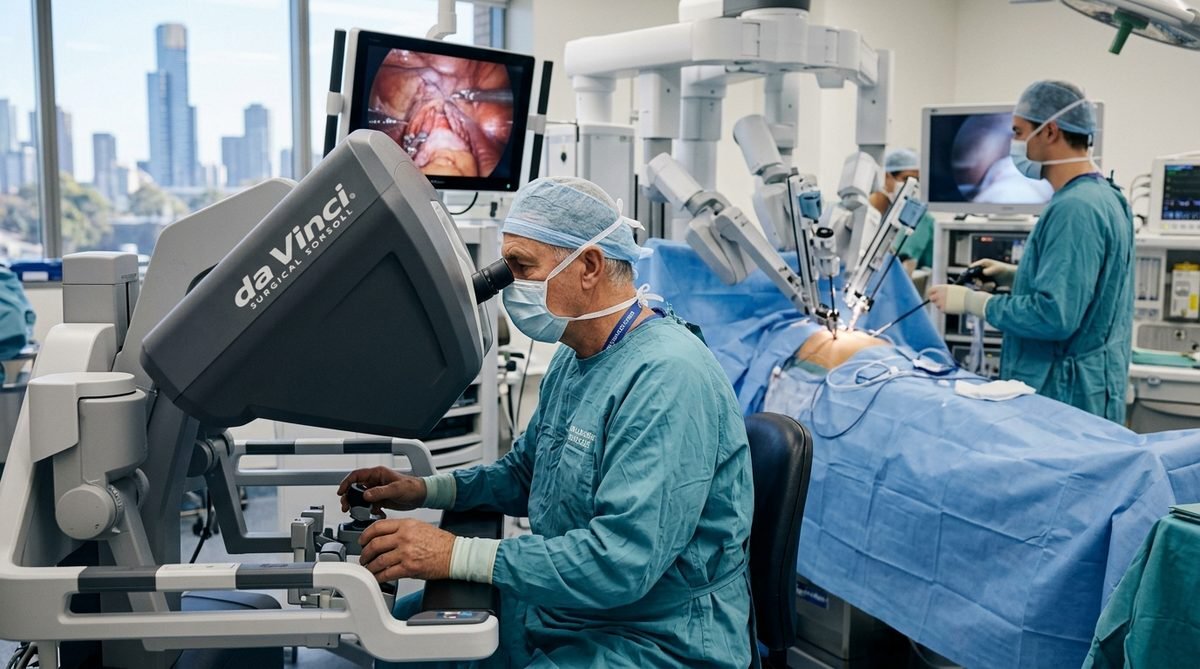
Can You Get Anything Free if You Have Cancer in Melbourne?

Yes, you may get some cancer medicines, treatment, transport, equipment and support services free in Melbourne. What you receive depends on your treatment, insurance, income and each program’s rules.
Some help covers the whole cost. Other help lowers the fee or pays back part of what you spend.
Ask your cancer clinic’s pharmacist, medicine-assistance specialist or finance team to check every prescription drug. Ask a hospital social worker or financial counsellor to look for other free services. Do this soon after your medical diagnosis and again if your treatment or finances change.
Which cancer costs may be fully covered?
The best free support tends to cover hospital treatment, selected medicines and practical services. No single application opens every door. Each service has its own rules, so every part of your care needs a separate cost check.
Public hospital treatment
Eligible Medicare patients can get cancer care as public patients through Victoria’s public health care system without paying for treatment. This may include specialist visits, surgery, chemotherapy or radiotherapy given through the public hospital system. Your treatment team can explain which parts of your care are covered. Understanding treatment options like prostate removal in Melbourne helps you weigh costs against benefits.
Free treatment doesn’t mean the whole cancer journey costs nothing. You may still pay for medicines taken at home, travel, parking, dental work, private appointments, scans outside the public system or recovery items. Ask for a written list of likely charges before each new stage starts.
Medicines and pharmacy help
Some cancer medicines may be supplied free through a manufacturer program, hospital deal or clinical trial. A program may instead pay a copayment or cut the price. Each case is decided on its own.
Medicine-assistance programs can save people a lot. In one oncology clinic study, approved patients saved more than $1.8 million when in-house specialists handled applications. A separate review of oral cancer medicine programs found that access was still shaped by insurance status, income limits, personal costs and application delays.
Give the pharmacist every medical prescription, including drugs for pain, nausea, infection or side effects. A support program that won’t cover the main cancer drug may pay for another costly medicine. Don’t assume the pharmacy will check on its own.
Equipment and care at home
Some people can borrow equipment or get nursing support through a hospital, community service or palliative care provider. This may include mobility aids, wound care supplies or short-term home care. Your clinical needs, living setup and available local services may decide whether you qualify.
Ask before you buy equipment. A hospital team may know of a loan pool, funded service or charitable organization. Keep the product name and quote so the team can check that exact item.
Who should check every bill and prescription?
Start at the cancer centre. The pharmacist knows how medicine funding works. A social worker can link your treatment needs with money help and practical support. Your cancer centre can connect you with specialist advice tailored to your condition.
The billing team can tell you if you’re being treated as a public or private patient. A financial counsellor can step in when bills, rent or debt become hard to handle.
Be direct: “Please check whether this medicine or service can be free, fully covered or supplied through an assistance program.” Then ask what proof is needed and how long the decision may take.
Timing catches many people out. A program may need to approve the medicine before it’s dispensed or an item before it’s bought. If you pay first and ask later, you may not get the money back.
How do free medicine programs decide who qualifies?
Every program has its own entry rules. Common checks include your Medicare status, private insurance, household income, treatment plan and expected out-of-pocket cost. Some use a means test. Others look at the medicine, diagnosis or lack of another way to fund it.
Approval for one drug doesn’t cover every drug you may need later. If your oncologist changes the dose, product or treatment plan, ask the clinic to check for help again. Renewals may also call for new income records or a fresh medical prescription.
Prepare a small application pack with:
- Your Medicare and concession card details, if held.
- Current insurance information.
- Proof of income requested by the program.
- Your medicine name, dose and quoted cost.
- Your oncologist’s contact details.
- Any deadline given by the clinic or pharmacy.
Ask who takes charge of the application after it’s sent. Write down the date, contact person and any missing documents. That can stop a form from sitting untouched while your treatment date gets closer.
What practical help can be free during treatment?
Free help can reach beyond the hospital. Melbourne patients may find transport, counselling, peer support, meals, wigs, legal help or household support through hospitals and community groups. What’s available changes, so a social worker’s referral is often more useful than a broad online search.
Travel and parking
Ask the hospital about patient transport, parking discounts and volunteer drivers. State support may also help eligible Victorians who must travel a long way for specialist care. Check the rules before leaving, and keep your appointment records and receipts.
Parking is easy to miss because it feels separate from treatment. But repeated visits can turn a small daily fee into a big monthly bill. Ask if your hospital has lower rates for frequent visits or financial hardship.
Food, bills and household needs
A local charitable organization may provide food relief, utility help or small grants. These services often have tight funds and firm rules. A social worker can point you to the right service, so you don’t have to repeat your story to groups that can’t help.
Utility companies may have hardship teams that can set up payment plans or check concessions. This won’t make every bill free. Still, it may prevent extra fees or disconnection while your income is stretched.
Counselling and emotional support
Your treatment centre may offer free counselling, support groups or nurse advice. Ask if the service is part of your hospital care and whether there’s a wait. If you need urgent mental health support, tell your clinical team at once instead of waiting for a routine referral.
Can a clinical trial make treatment free?
A clinical trial may give you the study treatment and trial-related tests free of charge. That doesn’t mean all cancer care or personal costs are covered. Routine care, travel, parking and time away from work may fall outside the trial budget.
Before you join, ask for a written breakdown of costs. Find out which visits are for research, which costs count as standard care and whether travel help is offered. Your choice should be based on the possible health benefits and burdens, not just the word “free.”
Can income support reduce cancer costs?
Income support and disability benefits aren’t the same as free treatment. But they can help protect your care by covering daily costs when cancer limits your ability to work. Whether you qualify depends on the payment rules and your situation.
Don’t assume a cancer diagnosis gives you automatic access. The decision may look at how your condition affects daily life, how long those limits may last, your income and other evidence. Ask a social worker which option suits you now, then check Services Australia’s official application rules.
This article focuses on free goods and services, rather than explaining every payment. The key point is simple: ask for a benefits check when you ask for a treatment cost check. You can miss practical help if the clinic looks only at medicine costs.
What costs are often mistaken for free care?
Bulk billing, rebates and capped prices can lower a bill without wiping it out. A service called “covered” may still leave you with a gap. Ask how much you must pay, not just whether it’s covered.
Watch for these distinctions:
- Free: you pay nothing for the approved item or service.
- Subsidised: part of the price is paid for you.
- Rebated: you pay first and may receive money back.
- Loaned: you return the equipment after use.
- Deferred: payment is delayed, but the debt remains.
Ask for the full expected fee in writing. Include dispensing fees, repeat visits, scans and supplies. If a quote says “from” or “estimated,” ask what could push the final cost up.
What should you do when an application is refused or delayed?
Ask for the reason in writing. A refusal may be due to missing proof, an income limit, existing insurance or a medicine outside the program. Once your clinic knows the reason, it can try another route.
If treatment is due soon, tell the oncology pharmacist and prescribing team about the delay. Don’t stop, cut back or put off a medicine by yourself. The team may find another supply path, ask for a review or talk through a suitable medical option.
Keep copies of forms and write down every call. A clear record helps staff follow up with the program. It also shows whether missing information or the program’s processing time caused the delay.
When should you ask for another financial review?
Ask at diagnosis, before treatment starts and whenever your plan changes. Request another review if you stop work, lose insurance, start a new medicine, need home care or must travel often. A past refusal doesn’t mean another program will turn you down, since each service has its own rules.
This repeat check is easy to miss, yet it can make a real difference. Cancer costs shift throughout treatment. Help that wasn’t useful during surgery may matter once daily tablets, rehabilitation or care at home starts.
How can you make the first conversation easier?
Bring one page listing your current treatment, medicines, regular costs and urgent worries. Use exact amounts when you can. Saying money is “tight” gives staff less to act on than saying a prescription costs a set amount and is due this week.
You can say:
- “Which parts of my treatment can be provided free as a public patient?”
- “Can the pharmacist check assistance for every medicine on this list?”
- “Is there a means test, and what proof do I need?”
- “Can a social worker check transport, home care and charitable support?”
- “Will I owe any gap fee before this service begins?”
If forms feel hard, ask if a medicine-assistance worker or social worker can fill them out with you. Program rules differ, and help from someone at the clinic can make the process far easier.
What should you do today?
Call your Melbourne cancer clinic and ask for one full cost review covering every medicine, hospital charge, travel need and service at home. Bring each prescription and quote. Then ask the pharmacist, finance team and social worker to record which items may be free and which applications must be filed before you pay.Sources
How Much Does It Cost to Have Your Prostate Removed Privately in Melbourne?
Read article →
Is It Worth Having Your Prostate Removed in Melbourne?
Read article →
What Are the Negatives of Removing Your Prostate in Melbourne?
Read article →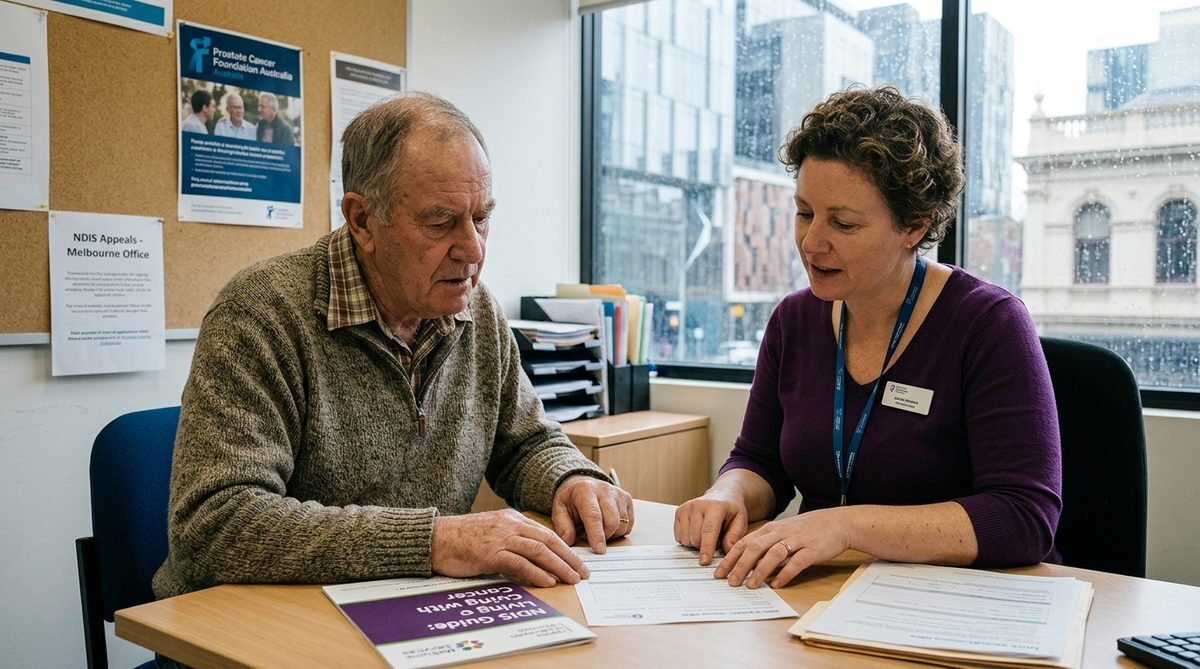
Is Prostate Cancer Classed as a Disability in Melbourne?
Read article →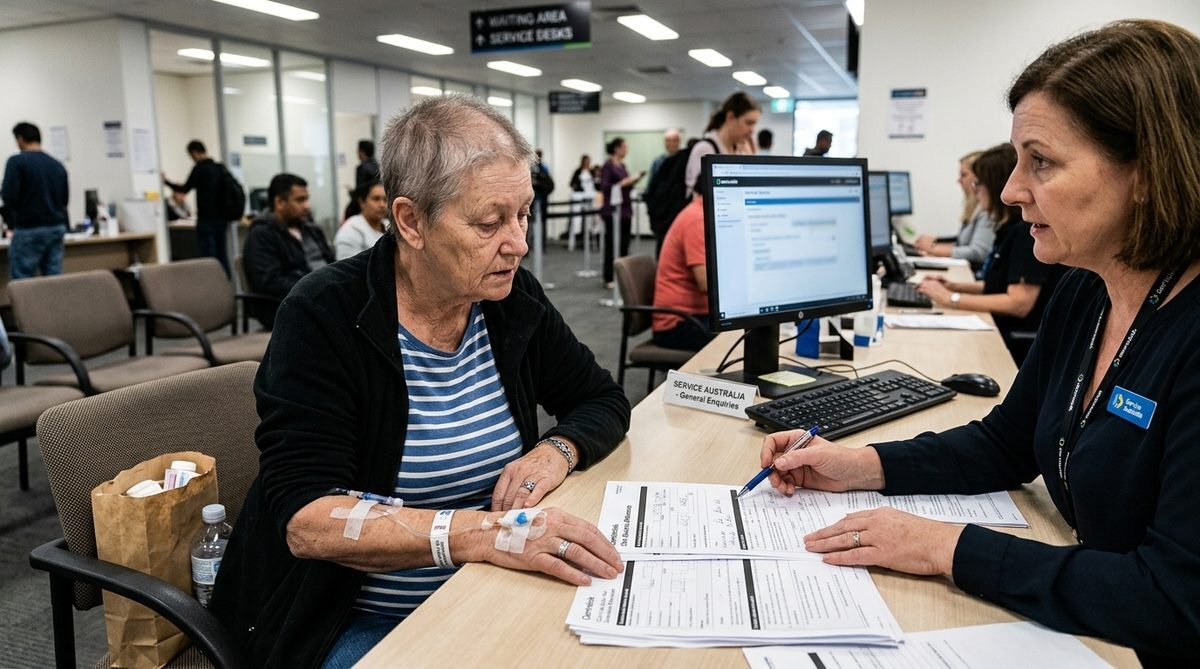
Can I Get Centrelink if I Have Cancer in Melbourne?
Read article →