Can I Get Centrelink if I Have Cancer in Melbourne?
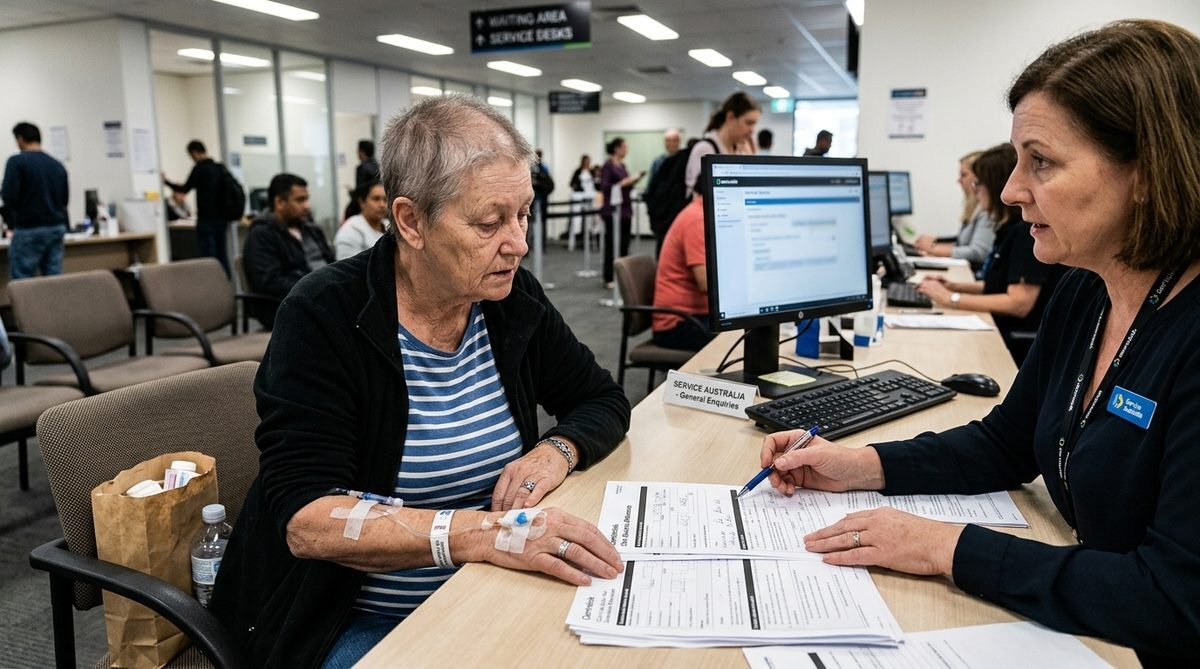
You may get Centrelink if you have cancer, but a cancer diagnosis alone does not qualify you. Services Australia will look at how cancer and its treatment affect your ability to work. It may also check your Income, assets, age, residency status and personal situation.
The right Payment depends on whether your limits are temporary, long term or permanent. Your medical evidence should spell out what you cannot do, how often symptoms affect you and how long those limits may last. Check the latest rules with Services Australia before you apply, as payment names, rates and tests can change.
What does Centrelink assess when you have cancer?
Centrelink looks at what you can do, not just the name of your illness. Two people with the same cancer may get different decisions because their treatment, symptoms and jobs aren't the same.
Someone with a desk job may keep working through some treatment cycles. A warehouse worker with the same fatigue, pain or infection risk may not be able to lift safely or attend regular shifts. The diagnosis matters, but its real effect on daily life often matters more.
The assessment may cover:
- How many hours you can work each week
- Whether your capacity changes during treatment cycles
- How pain, fatigue, nausea or poor sleep affect basic tasks
- Whether medication affects focus, memory or safe driving
- How long your doctor expects the limits to continue
- Your current Income and other financial resources
- Whether a partner income test applies
- Your Australian residency status
Cancer can cut your earnings while making treatment costs harder to handle. This is sometimes called financial toxicity. It helps explain why you may need support, but it does not prove that you qualify for a Centrelink payment.
Which payment should you consider first?
Start with the payment that best matches how severe your reduced work capacity is and how long it's likely to last. Don't assume that having cancer means you need a Disability payment or Pension. Start with the medical facts.
JobSeeker Payment
JobSeeker Payment may fit when illness stops you from doing your usual work for a limited time, or when you can only work fewer hours. It often comes with activity rules, but medical evidence may support a temporary exemption or changes to those requirements.
A medical certificate should cover the actual period when treatment affects you. If chemotherapy leaves you severely tired for several days after each cycle, ask your doctor to describe that pattern. A broad note that only says you have cancer tells the assessor very little about your work capacity.
Income and asset tests may still apply. Your partner's earnings may affect the outcome too. So, even with clear medical limits, you could receive a lower rate or no payment under the financial rules.
Disability Support Pension
Disability Support Pension may be considered when a condition is fully diagnosed, treated and stabilised, and it causes a severe, ongoing limit on your ability to work. Cancer does not give you an automatic path to this Pension. permanent limits
Active treatment can make this hard to assess. Your condition may be serious, while its long-term effects are still unclear. Services Australia may decide that a temporary payment suits you better until treatment ends or your future capacity is clearer.
If cancer or lasting treatment effects cause permanent limits, your records should describe those limits through everyday tasks. You might be unable to stand for long, need frequent rests, have ongoing nerve pain or struggle to attend work reliably.
Carer Payment and Carer Allowance
A Caregiver supporting someone with cancer may have a separate claim to consider. Carer Payment may apply when giving constant care greatly limits the person's ability to work. Carer Allowance may help with the extra daily work that care brings.
The assessment looks at how much care the patient needs, not the cancer label. Helpful details may include support with bathing, meals, transport, medicine, wound care, supervision or talks with the treatment team. Both the patient and carer may need to give information.
What medical evidence makes a claim clearer?
Good evidence links your health condition to your daily and work limits. It should show the assessor what happens on a normal day, as well as during a rough treatment period.
Ask your treating doctor to cover:
- Your diagnosis and current treatment plan
- The date treatment began and its likely duration
- Your symptoms and treatment side effects
- The tasks you cannot perform safely or reliably
- The hours you may be able to work
- Whether your limits are temporary, changing or permanent
- When your capacity should be reviewed
Reports from an oncologist, general practitioner or other treating clinician can each serve a different purpose. An oncologist can explain your disease and treatment. A general practitioner may hold a fuller record of your fatigue, sleep, mental health, pain and daily function.
Allied health reports can add useful detail when they deal directly with the limits being assessed. Evidence-based medicine guides cancer care, but a Centrelink claim needs more than test results and treatment names. A scan may confirm disease without showing whether you can sit through a shift, take public transport across Melbourne or work at a set pace.
Many applications miss one key point: reliability. Doing a task once isn't the same as doing it for several hours, on set days, every week. If good and bad days affect your attendance, ask your clinician to record that pattern.
How should you describe changing symptoms?
Cancer treatment often creates a cycle, not one fixed level of capacity. Your records should make that cycle clear.
For example, someone may attend treatment at a Melbourne hospital, feel ill for four days, improve over the next week and then start another cycle. Writing “I can work sometimes” hides the real problem. A clearer account lists the days affected, how much rest you need and whether the pattern allows steady work.
Keep a short diary for several weeks. Note treatment dates, symptoms, rest periods, missed shifts and any help you need at home. Stick to plain facts.
Don't rate every day as your worst day, but don't describe only your best day either. Your diary can't replace medical evidence. It can, however, help your doctor write a more exact report and help you give steady answers during an assessment.
What should you do if you are still employed?
Check your workplace rights and leave before treating Centrelink as your only support option. You may have paid personal leave, annual leave, income protection insurance or cover through superannuation. These sources can affect when you claim and may need to be declared.
Ask your employer if short-term changes are possible. Shorter shifts, remote work, lighter duties or flexible start times may help while you're having treatment. Any plan must follow medical advice and the safety needs of your job.
Keep copies of reduced-hour agreements, leave records and payslips. Services Australia may need up-to-date Income details, especially if your pay changes each week.
Don't resign just because you think a Centrelink claim will be approved. First, check the likely payment, waiting periods and financial tests. A social worker at your treating hospital may help you map out the options without making the choice for you.
How do you apply without causing avoidable delays?
Start early enough to collect your records, but make sure the details you submit are accurate. A rushed claim with vague medical notes can mean more work later.
- Use the Services Australia payment finder or contact Centrelink to identify possible payments.
- Check the current eligibility rules, Income test, asset test and required documents.
- Ask your treating team for reports that explain work and daily limits.
- Gather identity, residency, bank, employment and partner details.
- Submit the claim and save copies of every document.
- Check your online account for requests, deadlines and appointments.
- Report changes in earnings, treatment or work capacity when required.
If you can't manage the claim during treatment, ask whether someone you trust can help you deal with Services Australia. They may need formal authority before staff can discuss your record with them.
Melbourne hospital social work teams and cancer support services may help with forms, transport problems or urgent household costs. Their support doesn't promise approval, but it can make your information easier to sort out.
What if Centrelink rejects the claim?
Read the decision letter before you send more material. Look for the exact reason Centrelink refused the claim. It may involve medical evidence, financial eligibility, residency, a missing form or the payment category you chose.
You can ask Services Australia to explain its decision. If your medical evidence was too broad, request a report that covers the missing points. Don't ask your doctor to say you can never work if the facts don't support that.
Instead, ask for a clear record of your current limits and likely course. Review rights and time limits may apply. Follow the steps in the decision notice, and keep records of calls, names, dates and documents.
If the matter is tricky, get help from a Melbourne community legal service or welfare rights service that handles social security issues. Specialist prostate advice may also help clarify your clinical situation. specialist prostate advice
What do people often get wrong about cancer and Centrelink?
The diagnosis does not decide the claim
People often think a serious diagnosis must lead to approval. Centrelink applies payment rules to your work capacity, finances and personal situation. The medical name alone can't answer those tests.
Temporary limits can still matter
A condition doesn't have to be permanent before you check what support is available. A temporary loss of work capacity may point to another payment or an exemption from some requirements.
Daily function is stronger than vague severity words
Words like “severe” or “unwell” offer little useful detail. Say what actually happens. You may need to lie down twice each afternoon, miss shifts after treatment, avoid lifting because of surgery or have someone else drive you.
A carer must meet separate rules
A Caregiver doesn't qualify just because a family member has cancer. Centrelink looks at the amount of care needed, how it affects paid work and the financial rules that apply.
What should you prepare before contacting Centrelink?
Write a one-page summary before your appointment or call. List your treatment schedule, current work hours, expected time off, main symptoms and the help you need at home. Add any payments, leave, insurance and superannuation benefits you get or may claim.
Then prepare four questions:
- Which payment best fits my current work capacity?
- What medical form or report is required?
- How will my earnings and partner income affect the claim?
- When must I report changes?
This keeps the discussion focused on your own situation. It also lowers the risk of relying on advice given to another patient whose job, treatment or finances were different.
What is the next step?
Contact Services Australia, identify the payment that matches your expected work limits, and ask your treating doctor for evidence that explains exactly how cancer and treatment affect your ability to work.Sources
How Much Does It Cost to Have Your Prostate Removed Privately in Melbourne?
Read article →
Is It Worth Having Your Prostate Removed in Melbourne?
Read article →
Can You Get Anything Free if You Have Cancer in Melbourne?
Read article →
What Are the Negatives of Removing Your Prostate in Melbourne?
Read article →
Is Prostate Cancer Classed as a Disability in Melbourne?
Read article →