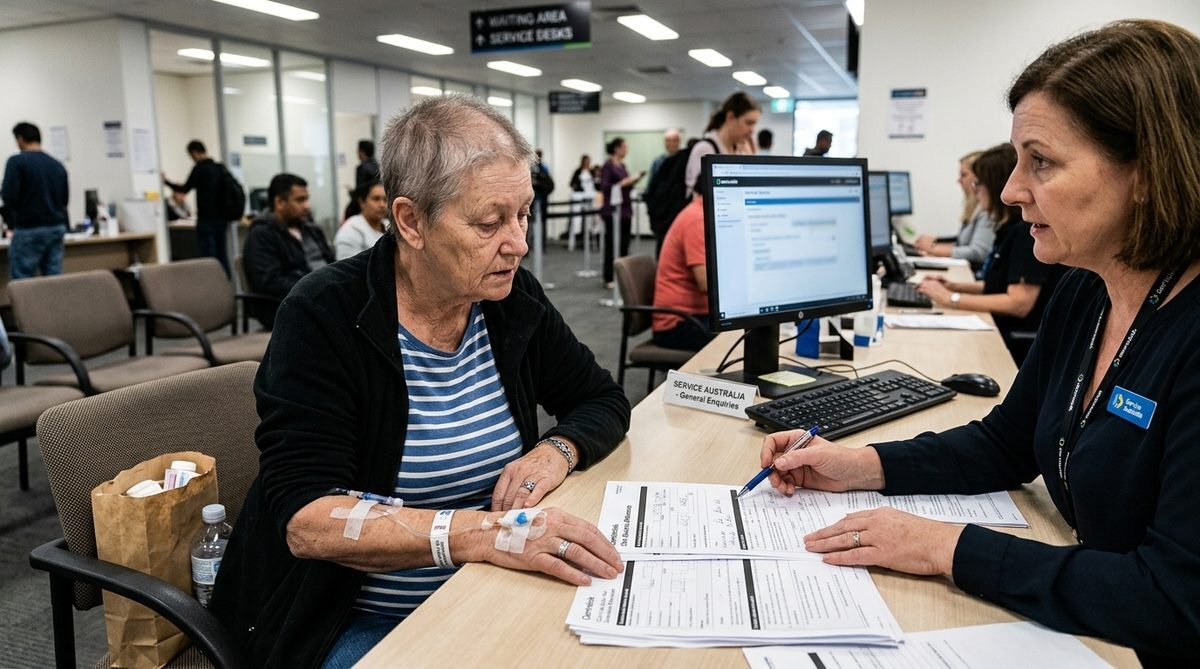
Can I claim money for psoriasis?

Yes, you may be able to claim money for psoriasis in Australia if the condition stops you working, cuts your income, or meets the rules of an insurance or compensation scheme. A diagnosis alone will rarely lead to a payment. The result usually depends on what psoriasis stops you doing, how long those limits may last, and which cover or scheme applies.
The basic idea is simple: claims look at function, not just the name of the illness. Visible plaques may back up your medical history, but decision-makers also need proof of pain, broken skin, poor sleep, treatment effects, limited movement, or psoriatic arthritis. They then weigh those limits against your job and the exact claim rules.
This article gives general information for Australians. Insurance policies and government rules vary. A lawyer, financial adviser, insurer, super fund, or Services Australia can confirm how the rules apply in your case.
Which sources of money should you check?
Start with the source most closely tied to your loss. If you can't work for a time, check income protection. If you may never return to suitable work, check total and permanent disability insurance, often called TPD.
If work caused the condition or made it worse, workers compensation may apply. Government income support may also help when illness cuts your ability to earn.
Possible sources include:
- Income protection insurance: regular payments that replace part of your income while you meet the policy's disability test and waiting period.
- TPD insurance: a lump sum if you meet the disability definition in your policy.
- Workers compensation: treatment costs, wage support, or other benefits where employment caused or materially worsened the condition.
- Government support: income support or related help where medical and work-capacity rules are met.
- Personal injury compensation: possible damages when another party's wrongful act caused a recognised injury or loss. Psoriasis itself does not create this right.
- Employment remedies: possible compensation where unlawful discrimination, dismissal, or a failure to follow workplace law causes loss.
Medicare and private health insurance mainly help cover care. They don't usually pay cash simply because you have psoriasis. That difference matters. A treatment rebate and a disability payment fix different problems.
Why does the effect on your work matter more than the diagnosis?
Two people with psoriasis can get very different claim results. One person may control small patches with treatment and work without limits. Another may have deep cracks across the palms and soles, severe night-time itch, swollen joints, and frequent specialist visits.
The second person has stronger proof of lost work capacity, even if both medical records show the same diagnosis.
Decision-makers may look at whether you can:
- stand, walk, grip tools, type, bend, or lift safely;
- wear gloves, boots, uniforms, or protective equipment;
- sleep well enough to stay alert at work;
- attend work on a reliable schedule;
- cope with heat, sweat, dust, chemicals, or repeated washing;
- manage pain, itch, bleeding, fatigue, or treatment effects during a shift;
- perform another role that fits your education and work history.
Location can matter more than the total skin area involved. A small split on one fingertip can stop a hairdresser using scissors or a technician handling tiny parts. Plaques under safety boots can make every step hurt.
Many claim guides miss this. A low skin-area score doesn't always mean a low impact on work.
Picture a warehouse worker with plaques on both feet. His records say only “psoriasis flare” over several visits. That note proves he had treatment, but it doesn't show why he stopped working.
A better record would detail the open cracks, pain after ten minutes of standing, infection risk inside work boots, failed treatment, and duties he could no longer do. Same condition. Far more useful evidence.
When could insurance through super help?
Many Australian super accounts include insurance, though cover isn't automatic in every account. Old accounts may still hold cover from past jobs. Check every current and former fund before deciding you have no policy.
TPD definitions vary. Some policies ask whether you're unlikely to work again in a job suited to your education, training, or experience. Other definitions apply in limited cases. The wording in force when you stopped working is key.
Psoriasis may support a TPD claim when its lasting effects stop you doing suitable work. Psoriatic arthritis, long-term pain, reduced hand use, major sleep loss, or serious treatment effects can form part of the same picture if medical evidence backs them. The claim should show their combined effect without turning each symptom into a separate tale.
You may have more than one TPD policy through different super funds. A payment from one policy doesn't always stop another claim, but each policy has its own definition and dates. Check whether the cover was active, whether exclusions apply, and whether later work changed the claim.
Income protection uses a different test. It often looks at whether illness stops you doing your usual job and whether you lost income. Waiting periods, benefit periods, offsets, and partial-disability rules change how much is paid. Someone who returns on fewer hours may still have a possible partial claim under some policies.
Don't cancel or roll over a super account until you've checked its insurance. Moving the balance can end cover or make an old policy harder to find. Get the policy document, insurance schedule, and account history first.
When could employment lead to a compensation claim?
Psoriasis is an immune-mediated condition, which means the immune system plays a role. So a flare at work doesn't prove that work caused it. A workers compensation claim needs a supported link between employment and the condition, its worsening, or a related injury.
Work factors may include repeated skin damage, chemical exposure, constant wet work, rubbing from protective clothing, or severe job-related stress. The exact legal test varies between Australian jurisdictions. Medical timing and workplace records count.
A claim is clearer when the evidence shows what changed. For example, a hypothetical cleaner had stable symptoms before starting a role with repeated hand washing and strong cleaning products. Her hands then split and bled, improved during leave, and flared again when she returned to the same duties.
A dermatologist linked the exposure to a material worsening of her condition. That timeline is more useful than a broad claim that work felt stressful.
Report a suspected work link quickly. Keep incident reports, rosters, product names, safety data sheets, photos, and medical certificates. Ask your treating doctor to record the exposure and explain whether it caused or worsened the flare, or simply happened at the same time.
Workplace discrimination is a separate matter. An employer may have duties under disability and employment law, including looking at reasonable changes in suitable cases. Money may be available if unlawful conduct causes loss, but compensation isn't automatic because a manager dealt with the issue badly.
Get advice early. Complaint time limits can be short. Psoriasis support services can guide you through claim options. psoriasis support services
How should you describe symptoms without weakening the claim?
Be clear and consistent. Don't play down symptoms because you feel embarrassed, and don't overstate them. Insurers can compare claim forms with clinical notes, social media, work records, and surveillance where lawful.
A genuine claim doesn't need dramatic wording. It needs a plain account that matches the records.
Describe a normal week, then explain how better days differ from flares. Say how often the limits happen, how long they last, and what you do to manage them. If you can shop for twenty minutes but can't finish an eight-hour standing shift, explain why.
A short daily task doesn't prove you can keep working for hours.
Include treatment effects when they change what you can do. Some medicines need monitoring or cause side effects. Appointments may also affect attendance. Focus on real limits, not every possible risk listed for a medicine.
Mental health effects may matter when they're diagnosed and treated. Shame about shedding skin, fear of visible bleeding, or distress in public-facing work can affect function. The claim is stronger when a treating clinician records the symptoms, care plan, and impact on work.
What mistakes can cause delay or refusal?
The most common mistake is sending a diagnosis without clear proof of how it affects work. Other problems include:
- using a current policy booklet when an older version governed the claim;
- giving different last-work dates to the fund, insurer, doctor, and employer;
- leaving psoriatic arthritis or treatment effects out of the functional account;
- assuming a visible condition needs no explanation;
- missing requests, review dates, or legal time limits;
- closing super accounts before checking historic insurance;
- signing a settlement or release without understanding its effect on other rights.
A rejected claim may still have review or complaint options. Ask for the decision in writing, the policy or rule used, and the evidence considered. Compare the reason given with your medical and work records.
A missing specialist opinion may mean you need more evidence. A dispute over policy wording may call for legal advice.
How do you choose the right claim path?
Match the claim to the loss you're facing. If you're off work for several months but expect to return, income protection or workers compensation may suit better than a permanent-disability claim. If specialists say you're unlikely to return to suitable work, check your TPD cover.
If you have little income and strict medical limits, contact Services Australia about available support.
More than one path may apply. Payments can affect each other through offsets, repayment clauses, tax treatment, or settlement terms. Before taking money, ask how it could affect super insurance, workers compensation, income protection, government benefits, and any legal claim.
Fees vary too. Some services charge for advice, reports, or representation. Ask for written costs and check whether payment is fixed, hourly, or depends on success. Also check who pays medical-report fees if the claim fails.
What should you do first?
Create one dated claim file today. Add your medical timeline, current job duties, last day or hours worked, treatment list, photos, income records, and every super or insurance account you've held. Then ask your doctor to record how psoriasis affects set work tasks and how long those limits are likely to last. That one file will reveal which claim path fits and uncover evidence gaps before they cause delays.
Common questions
What can I claim if I have psoriasis?
You may be able to claim help with medical costs, lost pay, or daily living costs, depending on where you live. You will usually need proof that psoriasis affects your work or everyday life.
Can I claim disability for psoriasis?
You may be able to claim disability support if severe psoriasis makes it hard to work or do daily tasks. A doctor’s records can help show how the condition limits you.
Does psoriasis count as a permanent disability?
Psoriasis is a long-term condition, but it is not always treated as a permanent disability. It may count if it has a serious and lasting effect on your daily life.
How much disability is psoriasis?
There is no set disability amount for psoriasis. The amount depends on how severe it is, how it affects you, and the rules where you live.

How Much Does It Cost to Have Your Prostate Removed Privately in Melbourne?
Read article →
Is It Worth Having Your Prostate Removed in Melbourne?
Read article →
Can You Get Anything Free if You Have Cancer in Melbourne?
Read article →
What Are the Negatives of Removing Your Prostate in Melbourne?
Read article →
Is Prostate Cancer Classed as a Disability in Melbourne?
Read article →