Can I Claim Benefits for Migraines? What You Need to Know in Australia

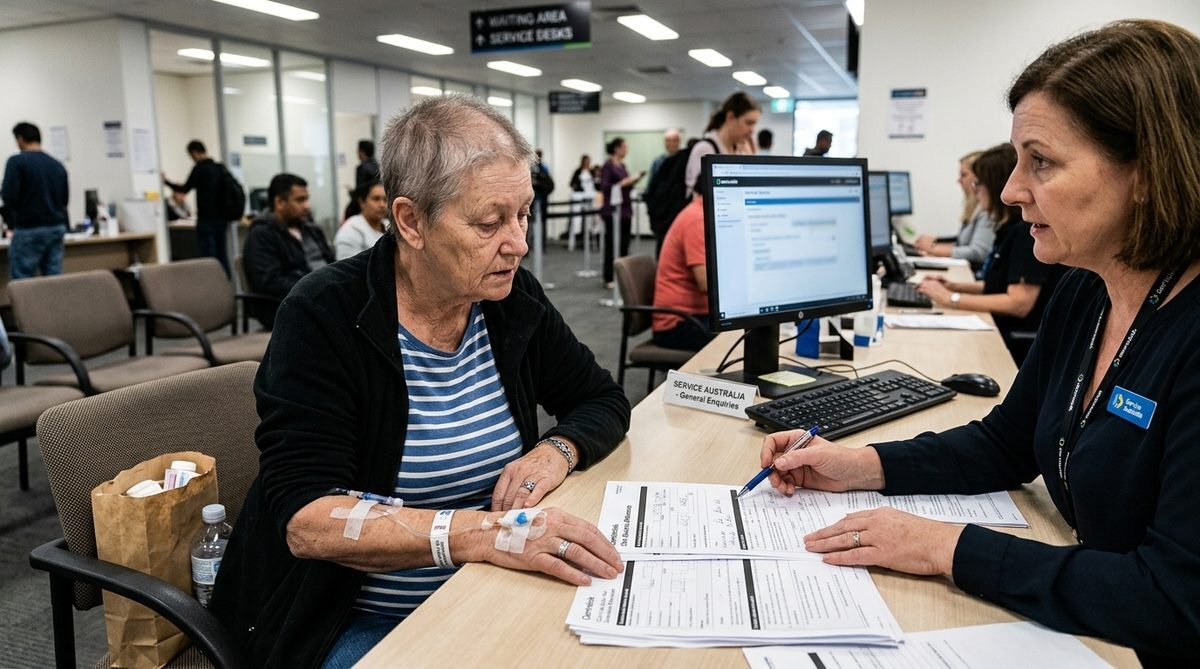
Yes, you can claim benefits for migraines in Australia. Whether you get access to them depends on how severely migraines affect your ability to work and carry out daily activities. A diagnosis alone is rarely enough.
What matters is documented, functional impairment.
This article walks through what qualifies, what you can actually claim, and the steps that give you the best chance of a successful application.
Is Migraine Considered a Disability in Australia?
Migraine can be classified as a disability in Australia if it substantially reduces your ability to work or participate in everyday life. The key word is substantially. A migraine that lasts a few hours once a month is unlikely to meet the threshold.
A migraine disorder that puts you in bed for two or three days multiple times a month is a different situation entirely.
Under the Social Security Act 1991, a condition qualifies as a disability when it is diagnosed, treated, and stabilised, and still results in significant functional limitations. Migraine is a recognised neurological disorder listed in the International Classification of Diseases. It causes episodic, sometimes chronic disruption to the nervous system that isn't always controllable with medication.
What most people miss: the question is never really about the diagnosis. It's about what the diagnosis stops you from doing.
What Benefits Can I Claim for Migraines?
The main benefit available in Australia for a disabling migraine condition is the Disability Support Pension (DSP). You might also access JobSeeker with a medical certificate if your condition is temporary or fluctuating, sickness allowance through Medicare-linked supports, and the NDIS in limited circumstances.
The DSP is the most significant. To qualify, you generally need to be between 16 and Age Pension age, have a physical, intellectual, or psychiatric condition that's fully diagnosed and treated, and have a Participation Rate showing you can't work 15 hours or more per week at or above the minimum wage, now or within the next two years.
One of my clients came to me after two failed DSP applications. She had chronic migraine, diagnosed by a neurologist, and had tried four different preventive medications. What her application was missing wasn't a diagnosis. It was a clear picture of how her condition affected her capacity to work.
Her medical records showed the diagnosis. They didn't show how many days per month she was incapacitated, or that she'd been dismissed from a previous job because of unplanned absences. Once we built the functional evidence, her third application was approved.
What Qualifies a Migraine as a Disability?
There's no single test. But certain factors consistently separate approved claims from rejected ones.
Frequency matters. Episodic migraine occurring 15 or more days per month is classified as chronic migraine. Chronic migraine is more likely to meet disability thresholds because the disruption is sustained, not isolated.
Severity matters. Migraine isn't just a headache. It's a neurological event that can involve severe pain, nausea, vomiting, sensitivity to light, sensitivity to sound, and in some cases neurological symptoms like aura, visual disturbance, or temporary weakness. When these symptoms are severe enough to require lying in a dark room for hours or days, the functional impact is real and documentable.
Treatment resistance matters. If you've tried and failed multiple preventive treatments, including beta-blockers, anticonvulsants, antidepressants, CGRP inhibitors, or Botox injections, this strengthens your claim. It shows the condition isn't manageable through standard intervention.
Co-occurring conditions matter. Migraine rarely travels alone. Many people with chronic migraine also experience anxiety, depression, sleep disorders, or medication overuse headache. These conditions interact and compound overall functional impairment. When assessed together, the picture of disability is often much more complete.
How Much Does Migraine Disability Pay?
The Disability Support Pension rate in Australia for a single person with no children is currently around $1,116.30 per fortnight, including the pension supplement and energy supplement. Rates change with indexation, so always check the Services Australia website for current figures.
If you're a homeowner, renter, or living with a partner, the rate and income test will affect your payment. The pension is means-tested, so income and assets above certain thresholds reduce or cancel it.
On top of the base rate, DSP recipients can access a Pensioner Concession Card, which cuts costs on pharmaceuticals, public transport, utilities, and some medical services. That's a meaningful financial benefit many people don't account for when deciding whether a DSP application is worth pursuing.
There's also a Pharmaceutical Benefits Scheme safety net that reduces out-of-pocket costs for prescription medications once you hit a spending threshold. For someone managing chronic migraine with regular triptans, preventives, and specialist visits, this adds up fast.
What Most Articles Get Wrong About Migraine Disability Claims
The first mistake: treating this as a medical problem when it's actually a documentation problem. Your treating doctor knows you have migraines. A DSP assessor needs to see a paper trail that connects your symptoms to functional limitations. These are two different things, and the gap between them is where most claims fail.
The second mistake is applying too early without adequate evidence. I know this because a client of mine tried to submit a claim six months after her diagnosis, with one specialist letter and a handful of GP notes. Rejected.
When she came back eighteen months later with a migraine diary, a letter from her neurologist specifically addressing her work capacity, and records of two job losses tied to her condition, the outcome was different.
The third mistake: assuming the NDIS isn't relevant. Most people with migraine won't qualify for the NDIS. But if your migraine disorder has caused a permanent and significant impairment (chronic vestibular migraine affecting your balance and mobility, for example), it's worth exploring. The NDIS funds supports and services, not income. But those supports can reduce the overall cost of living with a complex neurological condition.
How to Build a Strong Claim
Start with your treating GP. Ask them to write a letter that does three things: confirms your diagnosis, describes your treatment history including what's been tried and failed, and addresses your functional capacity in specific terms. Vague language like "patient has migraines" carries almost no weight.
Specific language like "patient experiences 18 to 20 migraine days per month, is unable to tolerate light or sound during attacks, and can't reliably perform sedentary work due to unpredictable onset" is what assessors are looking for.
Keep a migraine diary. Record the date, duration, severity on a scale of one to ten, symptoms, and any activities you couldn't do. Do this for at least three months before applying. It turns subjective suffering into objective data.
Get a neurologist involved if you're not already seeing one. A specialist letter carries more weight than a GP letter in a DSP assessment. If you've been referred and are waiting for an appointment, document that too.
Gather employment records if your condition has affected your work history. Letters from former employers, payslips showing irregular hours, or records of sick leave all support the picture of functional impairment.
If your application is rejected, don't accept it as final. You have the right to request a review by an Authorised Review Officer, and after that, to appeal to the Administrative Appeals Tribunal. Many successful DSP claims are won at the review stage, not the initial application.
Frequently Asked Questions
Can I get the DSP for migraines if I can still work part time?
Possibly. The DSP threshold is whether you can work 15 or more hours per week consistently. If your migraine condition means you can work some hours but not reliably or not at that level, you may still qualify. The key is demonstrating that your capacity is genuinely limited, not just reduced.
Does my migraine need to be chronic to qualify?
No, but it helps. Episodic migraine can still qualify if the severity and duration of attacks cause sufficient functional impairment. The question is always about impact, not frequency alone.
What if my doctor does not support my claim?
This is more common than it should be. Some GPs aren't familiar with the DSP criteria and may default to conservative language in letters. You can ask your doctor to specifically address the DSP criteria in their letter. You can also seek a second opinion, or ask a neurologist to provide supporting documentation.
A disability support organisation or social worker can also help you navigate this.
Can I claim benefits while still working?
Yes. The DSP has an income test but you can earn up to a certain amount per fortnight before your pension is affected. Services Australia can tell you the current threshold. There's also a Supported Wage System for people whose disability affects their productivity.
Is migraine covered under workers compensation?
It can be, if your migraine condition was caused or significantly aggravated by your work environment. Workplace stress, chemical exposure, or shift work disrupting sleep are all factors that can contribute. A workers compensation claim is a separate pathway from the DSP and is assessed differently.
What is the difference between the DSP and JobSeeker?
The DSP is for people with a permanent or long-term disability that prevents them from working. JobSeeker is for people who are temporarily unable to work or actively looking for work. If your migraines are severe but not yet classified as permanent, you may qualify for JobSeeker with a medical certificate while you build your DSP case.
What to Do Now
If migraines are affecting your ability to work, start documenting today. A migraine diary started now will be evidence in three months. Book an appointment with your GP and specifically ask them to assess your work capacity.
If you haven't seen a neurologist, ask for a referral. And if a previous claim was rejected, look at what evidence was missing before you assume you don't qualify.
The support exists. Getting it comes down to how well your condition is documented, not how real your suffering is.
Explore related health and wellbeing guides
This article is part of PTNA's consumer health and wellbeing library. Browse the Health & Wellbeing Resources hub to find related guides by topic, including Australian health cover, Medicare, prostate health, mental health, disability support and life insurance.
How Much Does It Cost to Have Your Prostate Removed Privately in Melbourne?
Read article →
Is It Worth Having Your Prostate Removed in Melbourne?
Read article →
Can You Get Anything Free if You Have Cancer in Melbourne?
Read article →
What Are the Negatives of Removing Your Prostate in Melbourne?
Read article →
Is Prostate Cancer Classed as a Disability in Melbourne?
Read article →