Are Cataracts Covered by Bupa? What You Actually Get and What It Costs
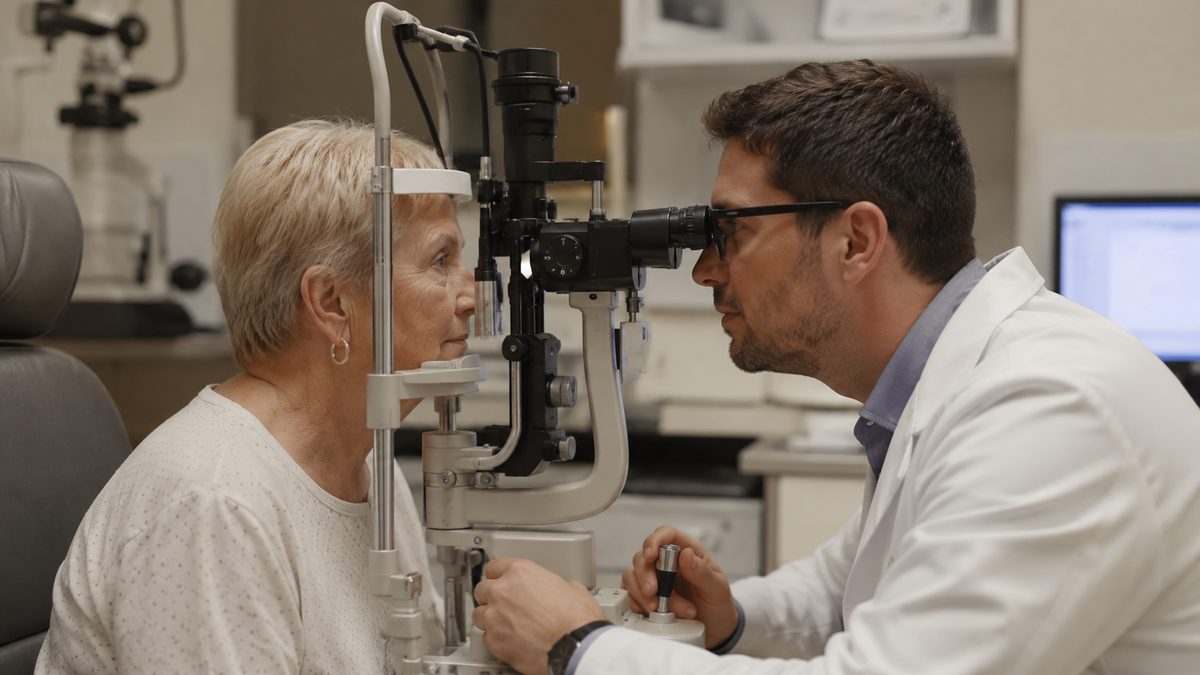
Yes, Bupa covers cataract surgery in Australia. But only on hospital cover policies that include eye surgery. The level of cover, your out-of-pocket costs, and whether you pay anything at all depends on which policy you hold, which hospital you use, and which surgeon you see.
That answer matters because a lot of people find out too late that their policy has waiting periods, exclusions, or gaps they never knew about. So let me walk you through exactly how it works. the team at PTNA can walk you through the options and help you get the most out of your insurance
Does Bupa Cover Cataract Surgery?
Bupa hospital cover policies that include eye surgery will cover cataract surgery as an inpatient procedure. This means Bupa pays for the hospital bed, the theatre fees, and the anaesthetist costs based on your policy. What it does not automatically cover is the full gap between what the surgeon charges and what Medicare pays.
In my experience, most people come in assuming their private health insurance covers everything. What they find is that the surgeon has their own fee schedule, Medicare covers a set benefit, Bupa covers an additional benefit, and the difference lands with the patient.
One of my clients went in expecting to pay nothing and came out with a $600 gap on each eye. That was not a Bupa failure specifically. It was just how the system works when you see a non-participating surgeon. She had no idea this was possible until after the surgery.
What Does Bupa Actually Pay For?
When you have cataract surgery in a private hospital under Bupa cover, here's what the insurance handles: the hospital accommodation, the operating theatre fees, and the anaesthetist (usually at the Medicare Benefits Schedule rate or higher if your policy includes a no-gap or known-gap arrangement).
The intraocular lens used to replace your clouded natural lens is also typically covered as part of the procedure. A standard monofocal lens, which corrects vision at one distance, is included in most claims. Premium lenses like multifocal or toric intraocular lenses that correct astigmatism cost more. That additional cost is usually not covered by Bupa. You pay it out of pocket on top of everything else.
What Bupa does not pay for is any portion of the surgeon's fee that exceeds the Medicare Benefits Schedule plus Bupa's own benefit. This gap is legal, common, and almost never discussed upfront unless you specifically ask.
Can I Claim Cataract Surgery on Bupa?
Yes, you can claim if your policy covers eye surgery and you have served the relevant waiting periods. For cataract surgery, Bupa applies a 12-month waiting period on most policies for pre-existing conditions. Since cataracts develop slowly over time, they're almost always classified as pre-existing. If you took out or upgraded your cover after your cataracts started developing, expect to wait 12 months before you can claim.
This is one of the most common misunderstandings I see. People upgrade their cover when they get a diagnosis and then find out they can't claim for a year. The system is designed that way. If you already have hospital cover that includes eye surgery and you've held it for at least 12 months, you're typically clear to claim.
To actually claim, the process is straightforward. Your surgeon submits a claim to Medicare. Bupa pays their portion directly to the hospital in most cases. Medicare pays their portion. Any gap left over is billed to you after the fact. You don't need to fill out forms for each payment. It runs through the system mostly automatically.
How Much Is Cataract Surgery With Bupa?
With Bupa hospital cover, your out-of-pocket cost for cataract surgery can range from zero to over $1,000 per eye. The spread is that wide because surgeon fees vary and not every surgeon participates in Bupa's no-gap or known-gap scheme.
A no-gap arrangement means the surgeon agrees to charge exactly what Medicare and Bupa together will pay. You pay nothing extra. A known-gap arrangement means there's a fixed gap the surgeon charges above that combined benefit, and Bupa tells you in advance what it is. With an unknown-gap surgeon, nobody tells you anything upfront and you find out the cost afterward.
If you go to a public hospital through the public system, Medicare covers the full cost and you pay nothing. The trade-off is waiting time and less choice over your surgeon and scheduling.
In a private hospital with a no-gap surgeon, your out-of-pocket cost is often just your hospital policy excess. That's a fixed amount you agreed to when you took out the policy. Common excess amounts are $250, $500, or $750 per admission. Some people pay $0 excess if they chose that option.
With a known-gap surgeon, expect to pay your excess plus the known gap. That can be anywhere from $200 to $600 per eye depending on the surgeon. With an unknown-gap surgeon, the sky's the limit. Some people pay $1,500 per eye or more.
What Is the Cost of Having Cataracts Done Privately Without Insurance?
If you have no private health insurance and choose to go through the private system, cataract surgery costs roughly $2,500 to $4,500 per eye in Australia. That includes the surgeon's fee, the anaesthetist, the hospital facility fee, and the intraocular lens. Medicare will still rebate a portion of the medical fees, but it doesn't cover hospital or theatre costs in a private hospital.
Some people choose this route when they don't want to wait for the public system and don't have private cover. It gives you control over timing and surgeon choice but you carry the full financial weight minus whatever Medicare rebates.
If you're considering taking out Bupa cover specifically to reduce this cost, remember the 12-month waiting period for pre-existing conditions. Taking out a policy today won't help you with a surgery scheduled for next month.
Is Cataract Surgery Covered by Private Health Insurance Generally?
all major private health insurers in Australia, including Bupa, Medibank, HCF, and NIB, cover cataract surgery under hospital policies that include eye surgery. The rules around waiting periods, gaps, and what lens types are included are broadly similar across funds.
HCF and Bupa differ mainly in their network of participating surgeons and hospitals. Bupa has agreements with specific surgeons who participate in their no-gap or known-gap scheme. A surgeon who offers no-gap with Bupa might charge a gap with Medibank. So the fund you're with affects who you can see cost-free, not just what procedure is covered.
Extras cover, the type of policy that covers things like dental and glasses, doesn't cover cataract surgery. This is a hospital procedure. Extras cover is irrelevant here.
What Most Articles Get Wrong About Bupa and Cataract Cover
The first thing most people get wrong is assuming that having private health insurance means no out-of-pocket costs. The gap system exists specifically because surgeons can charge above the scheduled fee and insurance has a ceiling. Knowing this before you book means you can choose a participating surgeon and avoid the gap entirely.
The second thing most articles miss is the lens upgrade cost. When a surgeon recommends a premium multifocal lens to reduce your dependence on glasses after surgery, that recommendation can add $1,000 to $2,500 per eye that no insurance covers. It's a real option and sometimes the right one, but it's fully out of pocket. I've had clients who said yes to the upgrade without realising Bupa wouldn't touch that portion of the bill.
The third thing is the hospital choice. If you go to a private hospital that isn't in Bupa's agreement network, your coverage may be reduced significantly. Always confirm the hospital is covered before you book.
How to Check Your Specific Bupa Policy
Log into your Bupa account online or call their member services line. Ask specifically whether your policy covers eye surgery as a hospital procedure, what your waiting period status is, what your excess is, and whether the surgeon and hospital you're considering are in the no-gap or known-gap scheme.
Your surgeon's rooms can also check this for you. Most private ophthalmology practices deal with insurance queries every day. They know which surgeons have which arrangements with which funds. Ask them before you confirm any booking.
If you want to compare what Bupa offers against other funds, the government's privatehealth.gov.au comparison site shows what each policy covers and what it excludes.
FAQ
Does Bupa cover both eyes if I need cataract surgery on each?
Yes, but each eye is typically treated as a separate admission. Your excess may apply to each admission depending on your policy. Some policies cap the excess at one per year. Check your specific policy document for this detail.
Can I use my Bupa extras cover for anything related to cataracts?
Extras cover pays for things like glasses or contact lenses after surgery if you still need them. It doesn't contribute to the surgery itself. Some policies have optical benefits that cover prescription eyewear post-surgery, which can reduce your ongoing costs.
What if I am diagnosed with cataracts today and want to take out Bupa cover?
You can take out a policy, but the 12-month waiting period for pre-existing conditions will apply to the surgery. You can't speed this up. Taking out cover now still makes sense for other health needs and locks you in for when the waiting period ends.
Does Bupa cover the follow-up appointments after cataract surgery?
Post-operative specialist consultations are partly covered by Medicare regardless of your insurance. Your Bupa cover handles the inpatient portion of the procedure. Follow-up outpatient visits are mostly a Medicare matter, with your specialist's gap applying the same way as any other specialist visit.
What if the surgery causes complications?
Complications that require further inpatient treatment are covered the same way as the original surgery, subject to your policy terms. This is one of the real advantages of going through the private system with health cover rather than paying cash, since unexpected complications can add significant costs.
What to Do Next
Call Bupa or log into your account and confirm your policy covers eye surgery. Check your waiting period status and find out your excess. Then ask your ophthalmologist whether they participate in Bupa's no-gap or known-gap scheme before you book anything. Those two steps will tell you exactly what this will cost before you commit to a date.
If you're looking for a cataract surgeon and want to understand what your private cover actually gets you, the team at PTNA can walk you through the options and help you get the most out of your insurance before surgery day.
Explore related health and wellbeing guides
This article is part of PTNA's consumer health and wellbeing library. Browse the Health & Wellbeing Resources hub to find related guides by topic, including Australian health cover, Medicare, prostate health, mental health, disability support and life insurance.
How Much Does It Cost to Have Your Prostate Removed Privately in Melbourne?
Read article →
Is It Worth Having Your Prostate Removed in Melbourne?
Read article →
Can You Get Anything Free if You Have Cancer in Melbourne?
Read article →
What Are the Negatives of Removing Your Prostate in Melbourne?
Read article →
Is Prostate Cancer Classed as a Disability in Melbourne?
Read article →